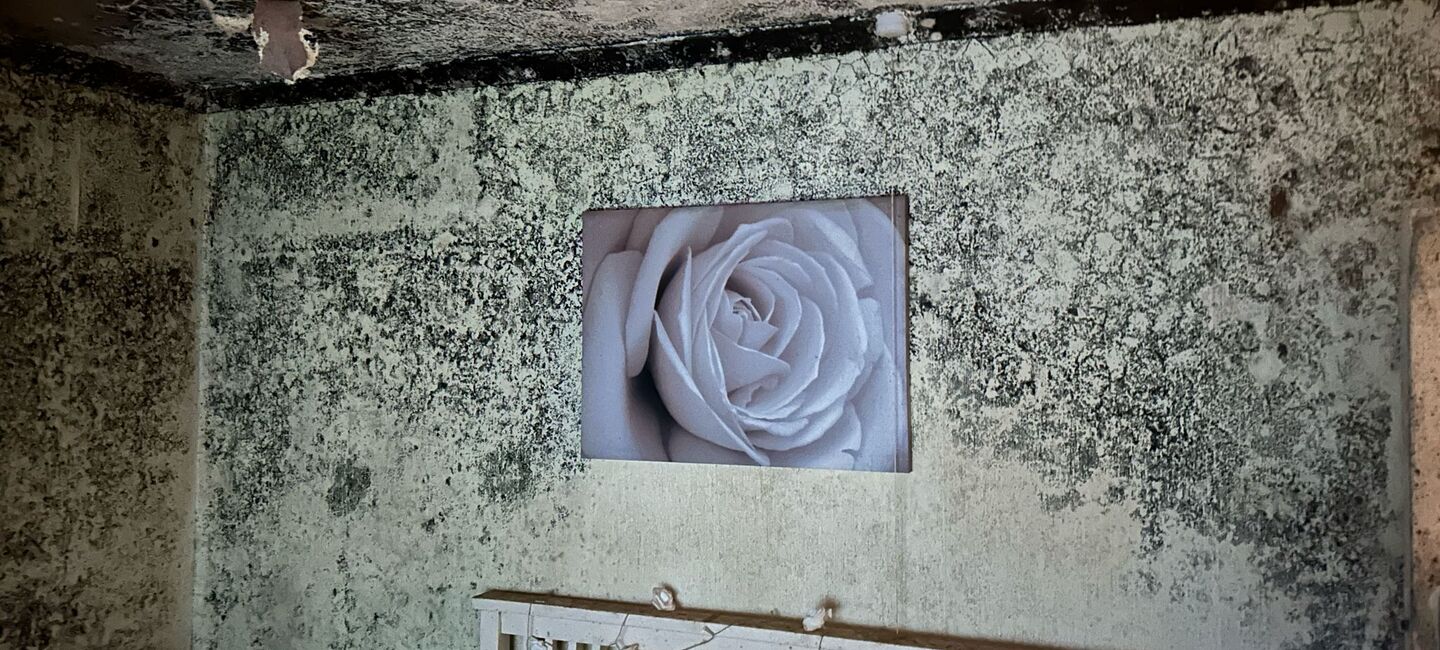
Invented by Nuaire in 1972, the technology is now installed in over a million homes. It’s tried, tested, and trusted. Positive Input Ventilation is one of the UK’s most popular low-energy, whole-home ventilation methods. It offers a simple and cost effective solution to reducing condensation dampness and mould in the home.
PIV is a highly effective and energy-efficient method of ventilating your home.
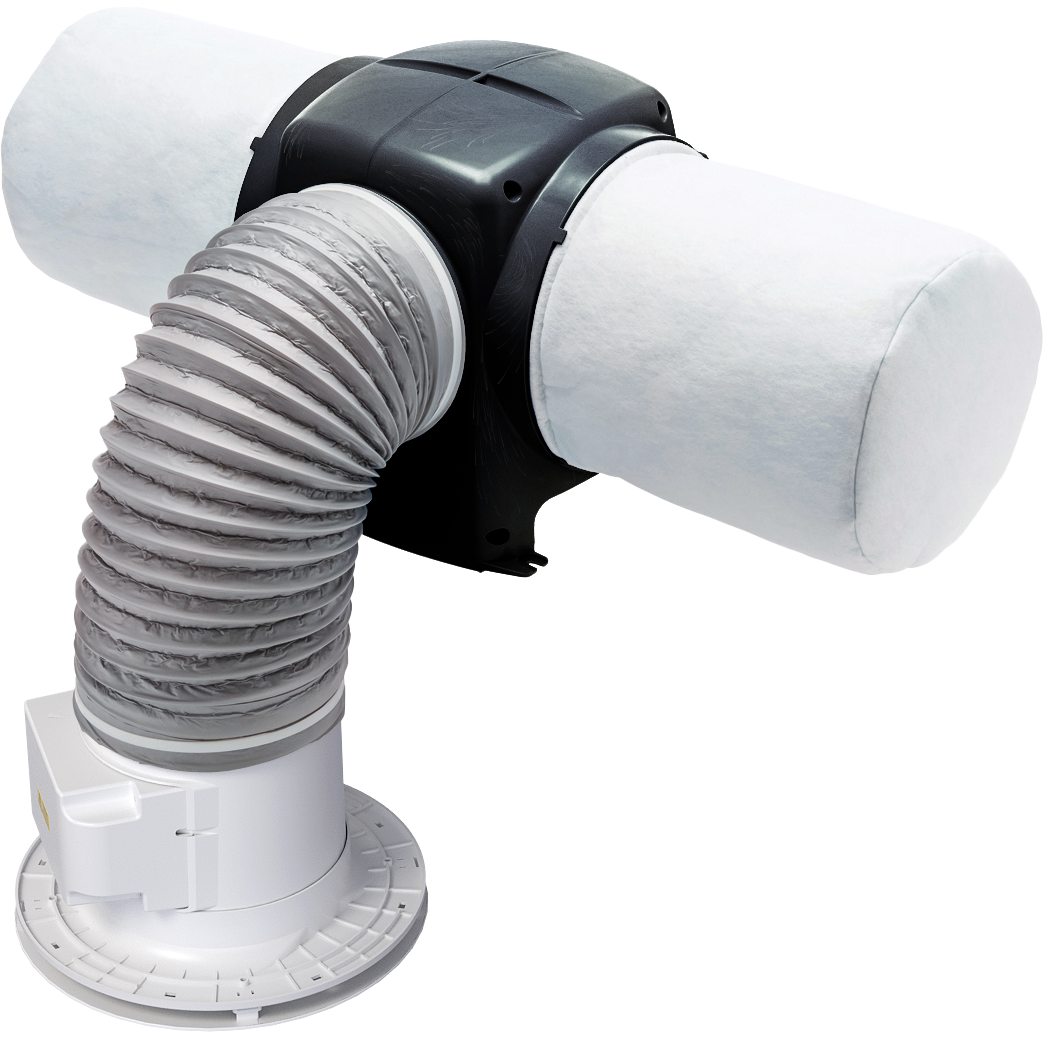
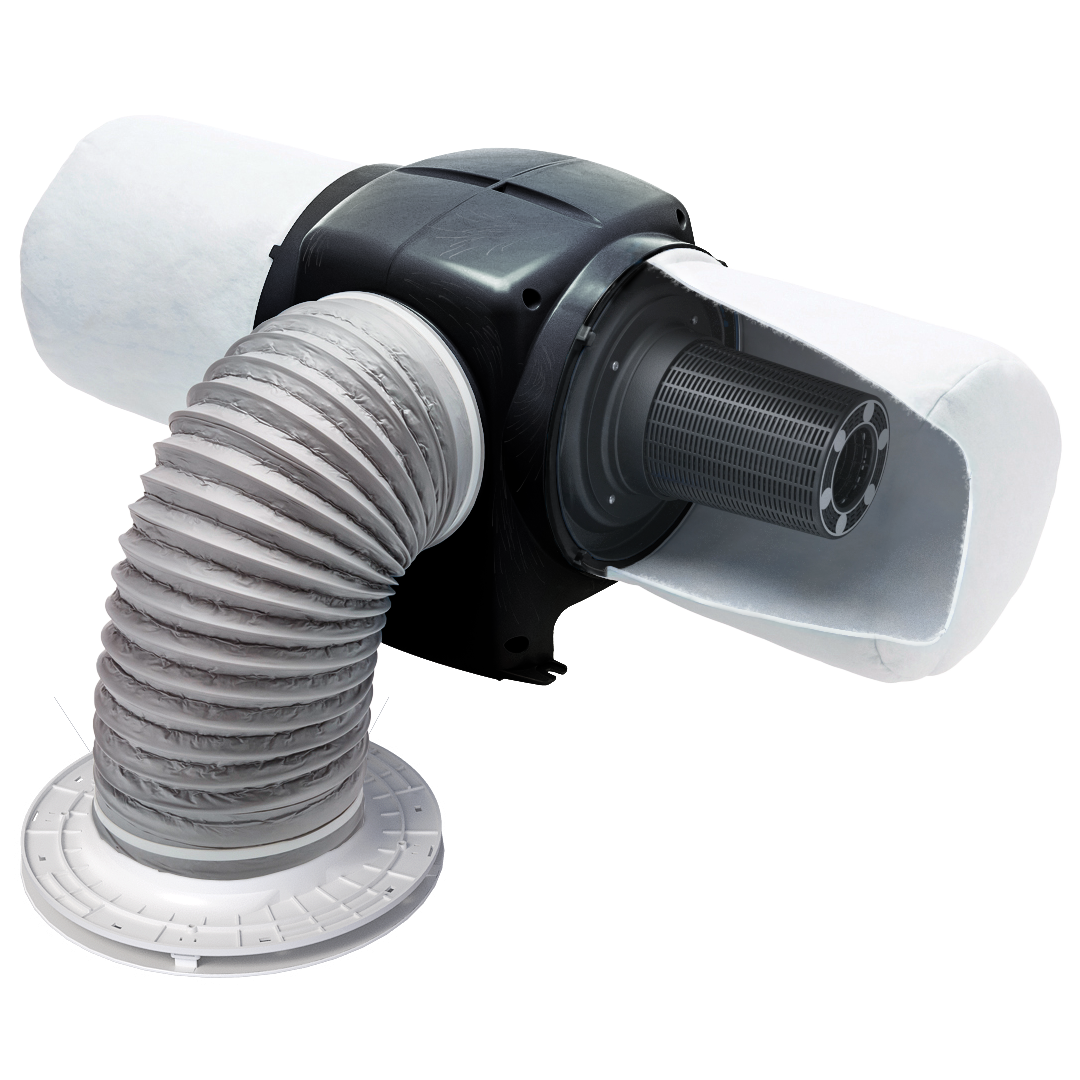
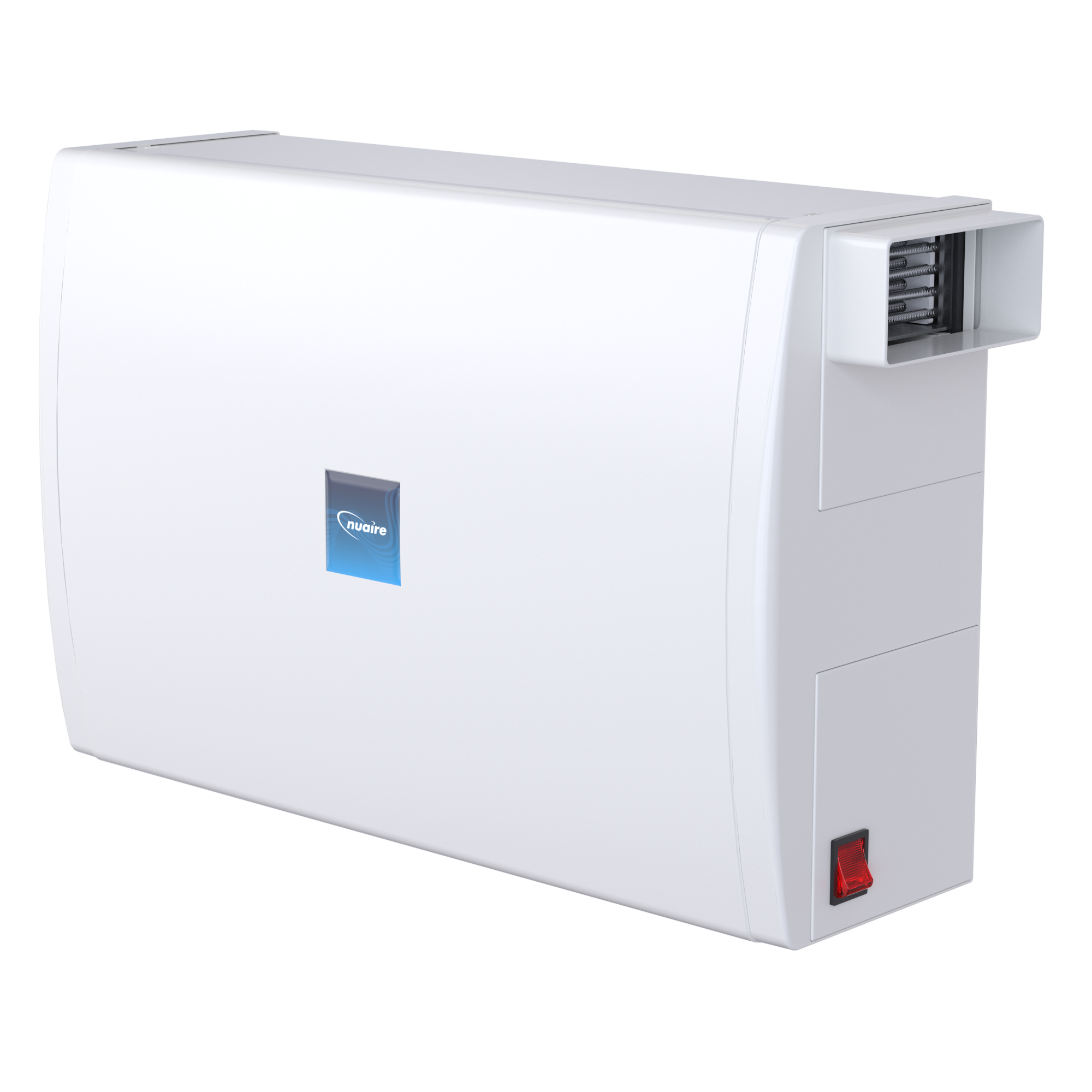
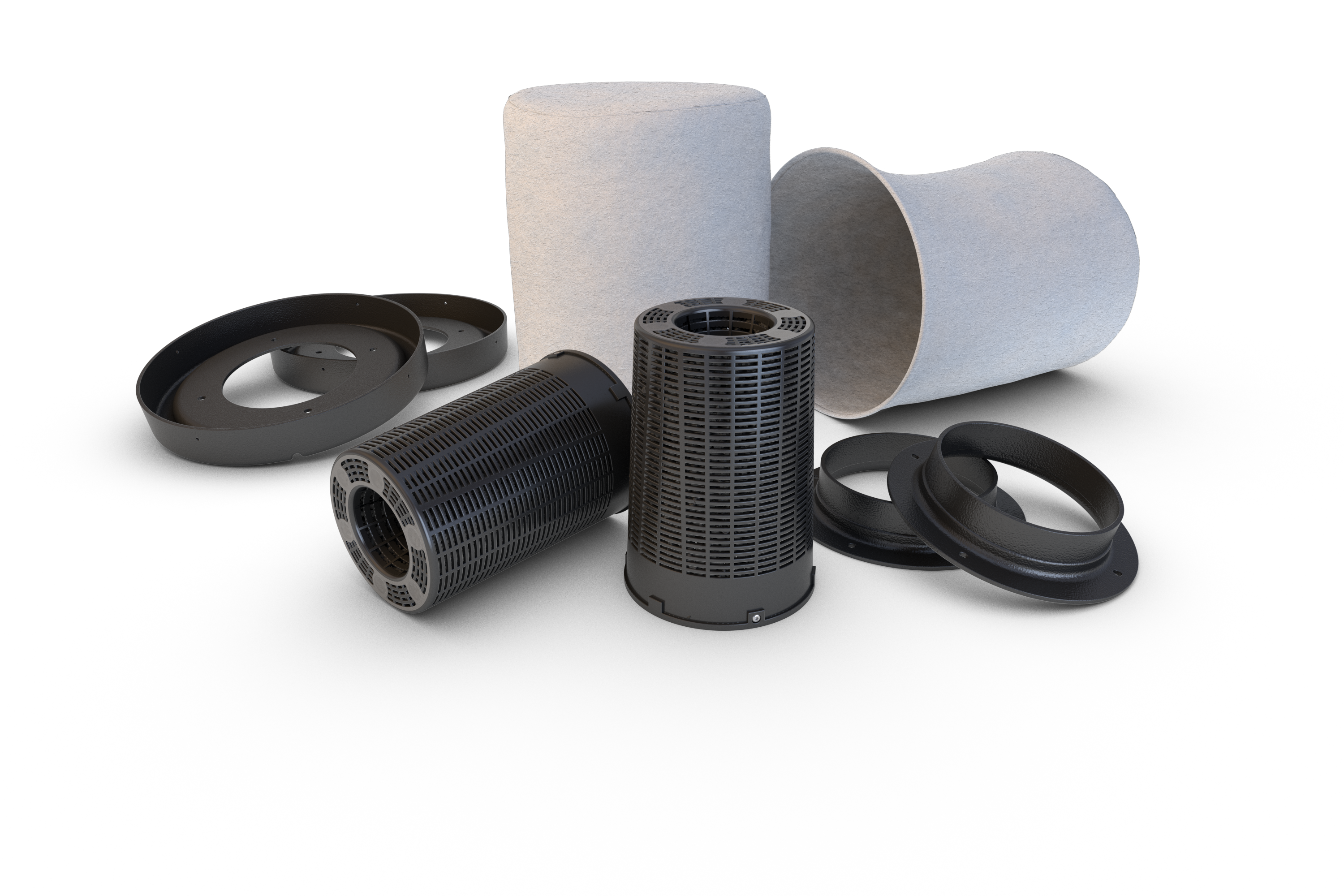
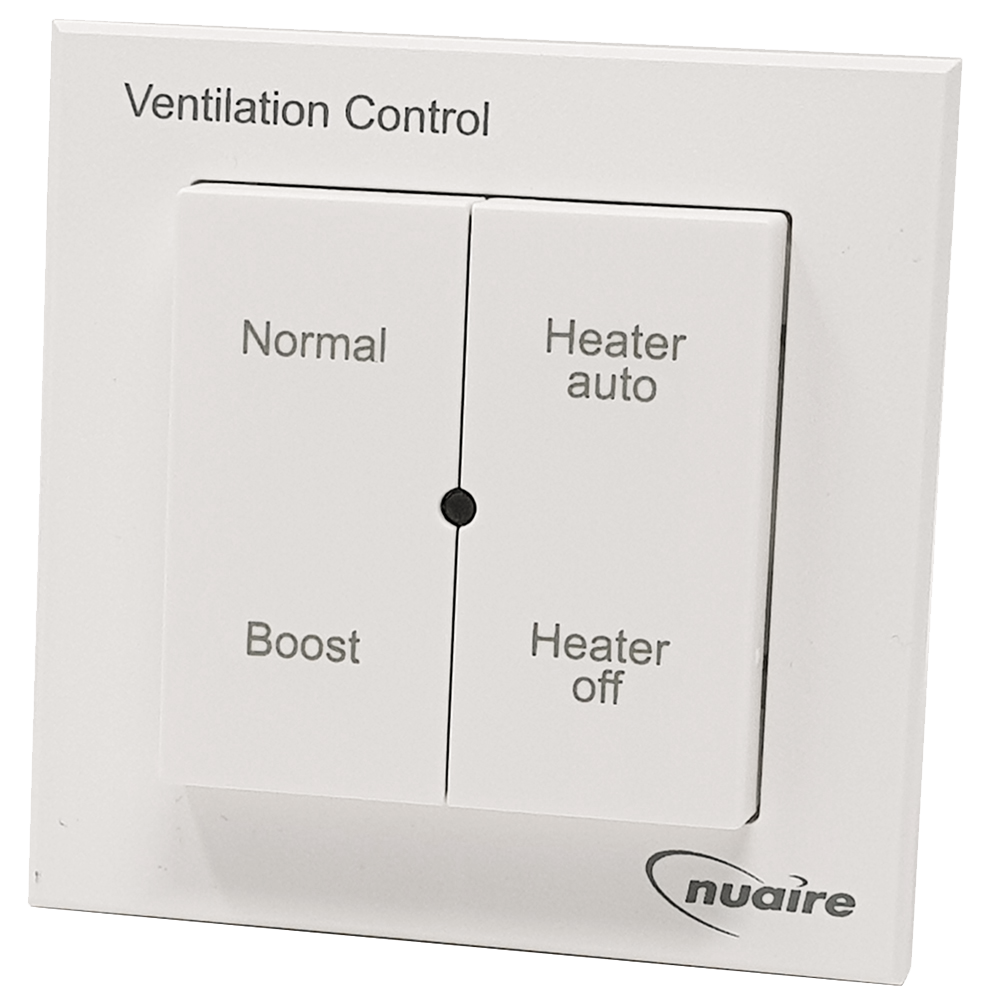

Introducing, Nuaire's latest addition to the PIV family
The New Drimaster-Eco Positive Input Ventilation now features casing made from 100% recycled ABS plastic, same quality, smaller footprint.
Our latest Drimaster-Eco PIV has become more environmentally friendly due to swapping the casing from a virgin ABS plastic to 100% recycled ABS plastic. The switch will result in a reduction of 167 tons of equivalent embodied carbon over the period of a year.
Did you know mechanical, electrical, and plumbing (MEP) systems are estimated to account for around 23% of a building’s embodied carbon?
Remember to change your filters this condensation season.
Head over to our Xpress site and purchase today.


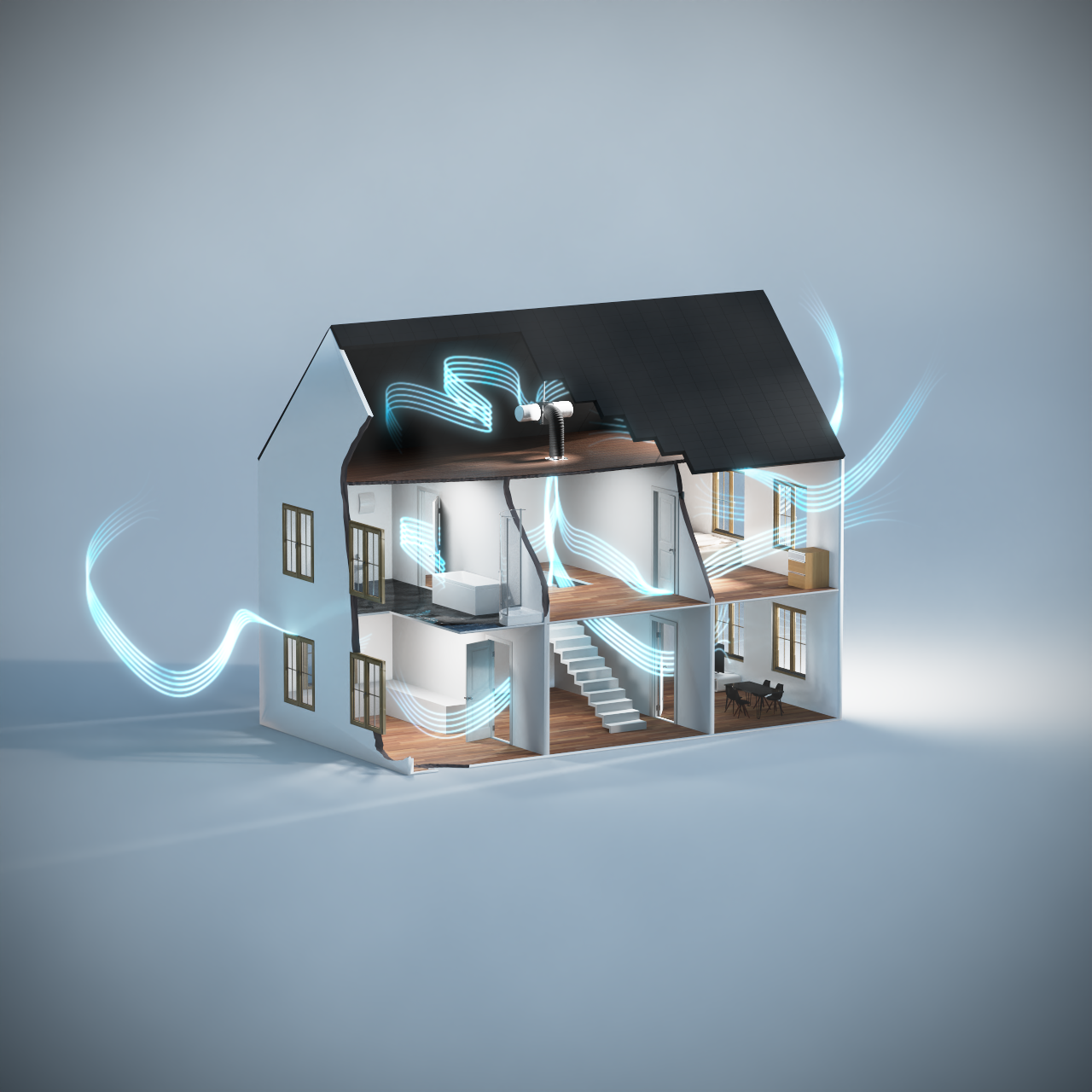
How Does PIV work?
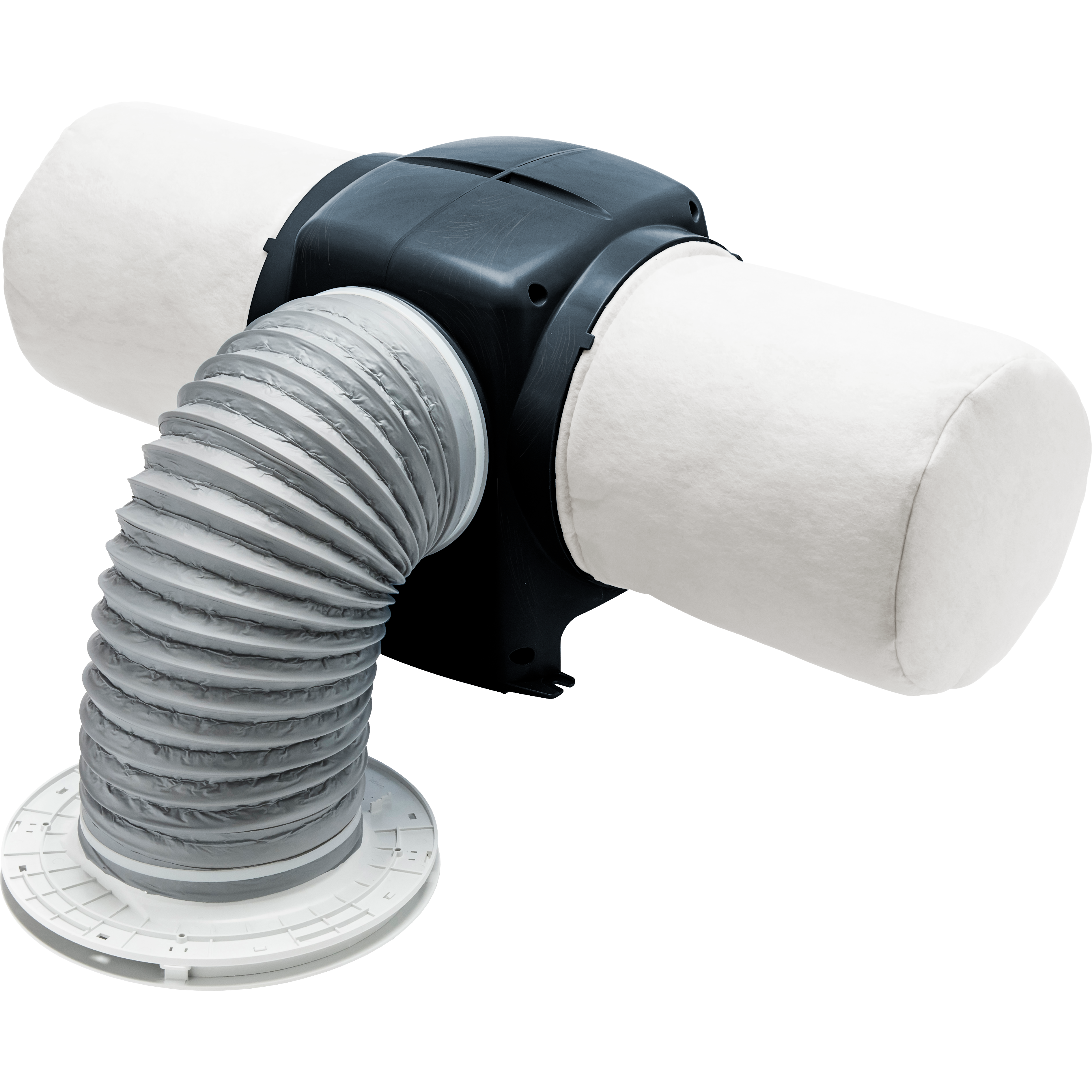
PIV works by gently introducing fresher, filtered air into the dwelling from a suitably ventilated loft. Air is drawn into the unit and is passed through filters before being pushed around the home - as the air moves, it dilutes contaminants, displaces and eventually replaces the stale, humid air in the home. Humid air is continuously moved out of natural leakage points throughout the home – such as windows, under doors or even through keyholes. PIV is a popular method of low-energy, whole-home ventilation, and is now installed in over 1 million homes in the UK.
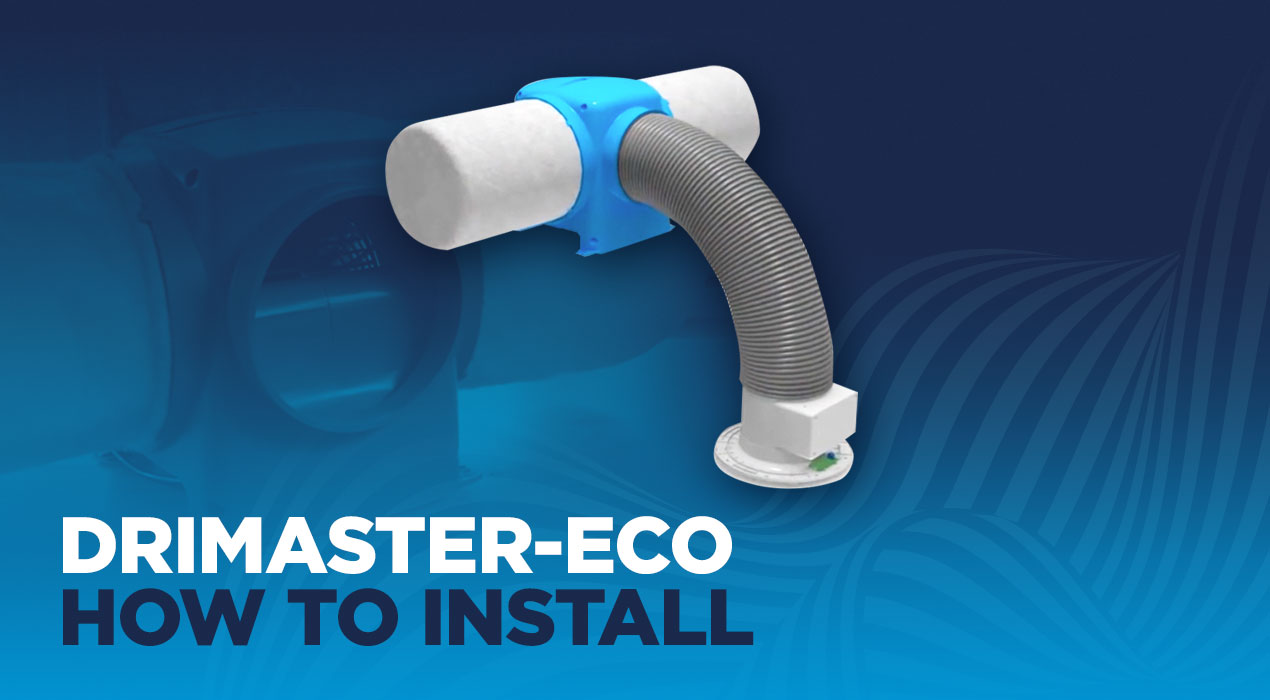
Learn how to correctly install your Drimaster
In 1972 Nuaire designed an ‘anti-condensation’ ventilation system
The Northern Gas Board and the Northern Major Authorities Housing Consortium enlisted the help of Nuaire to design an ‘anti-condensation’ ventilation system: the Norma. After extensive testing, the new ‘Norma’ units are installed in several hundred homes where they successfully reduce the symptoms of condensation dampness.
The small blue unit sits in the loft-space and gently forces fresh, filtered air into the house through a diffuser fitted in the hallway ceiling. The air slightly pressurises the building, removing excess water vapour and reducing condensation dampness.
Fast-Forward 54 Years...
The New Drimaster-Eco Positive Input Ventilation now features a casing made from 100% recycled ABS plastic, same quality, smaller footprint.
Our latest Drimaster-Eco PIV has become more environmentally friendly due to swapping the casing from a virgin ABS plastic to 100% recycled ABS plastic. The switch will result in a reduction of 167 tons of equivalent embodied carbon over the period of a year.
Condensation and Mould Insights and News Article
Insights on the reasons and prevention of condensation dampness and mould problems.




FREQUENTLY ASKED QUESTIONS
Positive Input Ventilation (PIV) is a highly effective, energy efficient method of ventilating your home. Invented by Nuaire in 1972, the technology is now installed in over a million homes. PIV works by introducing filtered air into the dwelling at a continuous rate, encouraging movement of air from inside to outside.
PIV units are used for several reasons; they are an effective, energy efficient method of ventilating your home and improving indoor air quality.
PIV systems are built to displace the air of indoor pollutants, including stagnant and humid air, helping to reduce condensation dampness and mould.
The unit is installed into a well ventilated loft and out of the way. The heated unit, has a built-in 400-watt heater which tempers the air before it enters the property, to help maintain a comfortable temperature.
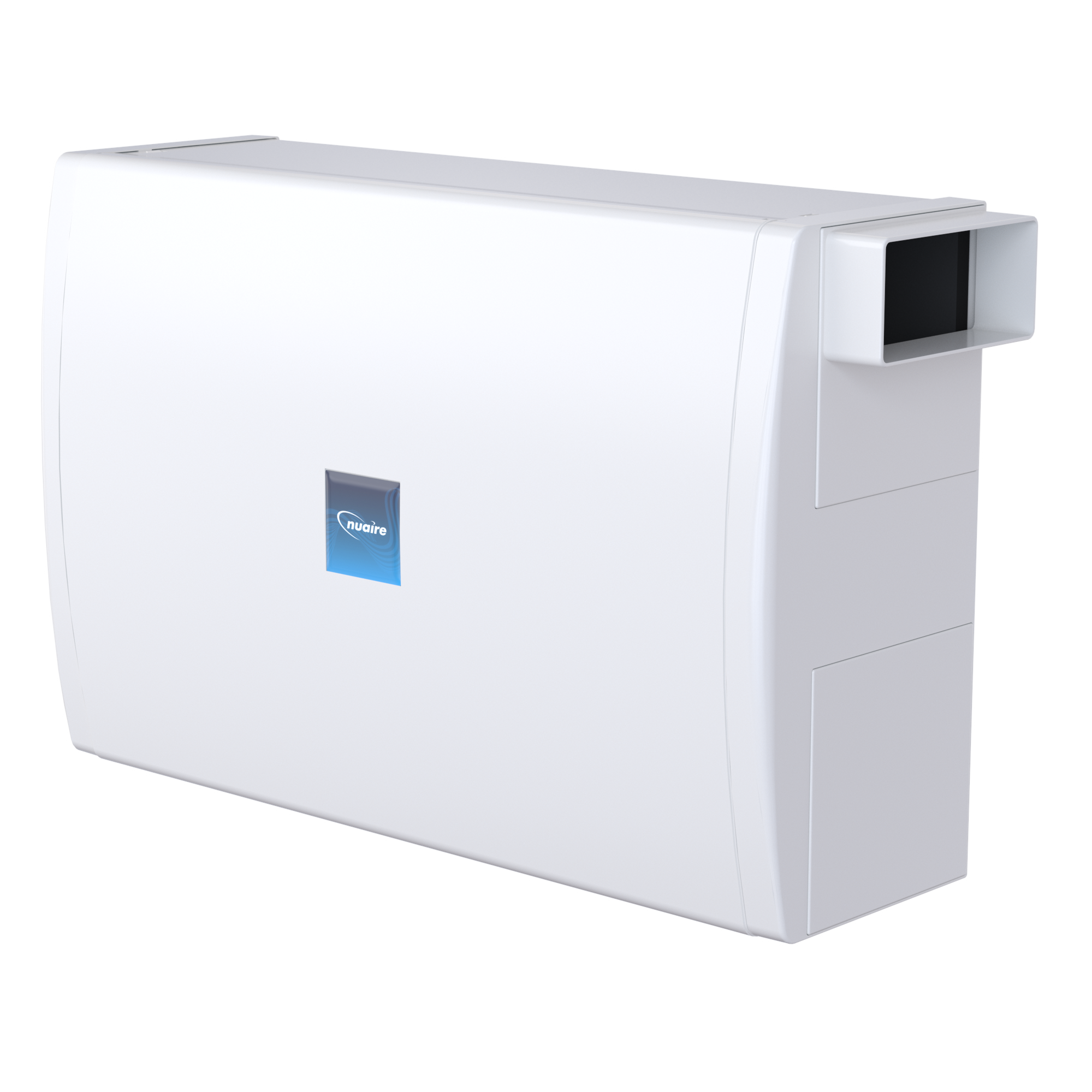
The Flatmaster has been specifically designed to ventilate homes without a loft space. It is most often used in flats and apartments. Just like the Drimaster, the Flatmaster has a heated option available.
Condensation affects both new and older properties and is much more common than you might imagine. Excess moisture is produced by everyday activities like bathing, cooking, washing and drying our clothes. This moisture is absorbed into the air, where it migrates through the home and condenses on cool surfaces such as windows, mirrors, wall tiles and furniture.
By using a PIV system, the air is constantly moving. This means that humid air cannot settle on cold surfaces, such as windows or outer walls and therefore doesn't condensate. The humid air is then forced out of natural leakage points throughout the home - such as windows, under doors or even through keyholes helping prevent the build up of condensation dampness.
Our Drimaster-Eco range takes existing PIV technology a step further, effectively tackling the problem of condensation dampness whilst using up to 20% less energy than other competitors, meaning lower running costs and life cycle costs.
The Drimaster-Eco range has swapped its casing from a virgin ABS plastic to 100% recycled plastic. The switch will result in a reduction of 167 tons of equivalent embodied carbon over the period of a year.
We recommend that your PIV system be installed by a trained professional.
For loft mounted units, your loft space will need to be adequately ventilated, that party walls are intact, and that any ceiling holes are sealed and extract fans are discharging to the outside and not into the loft.
Our simple video guide provides step-by-step instructions for how to install our low-energy Drimaster Eco system quickly and successfully. This video is featured on our Drimaster product pages.