Condensation
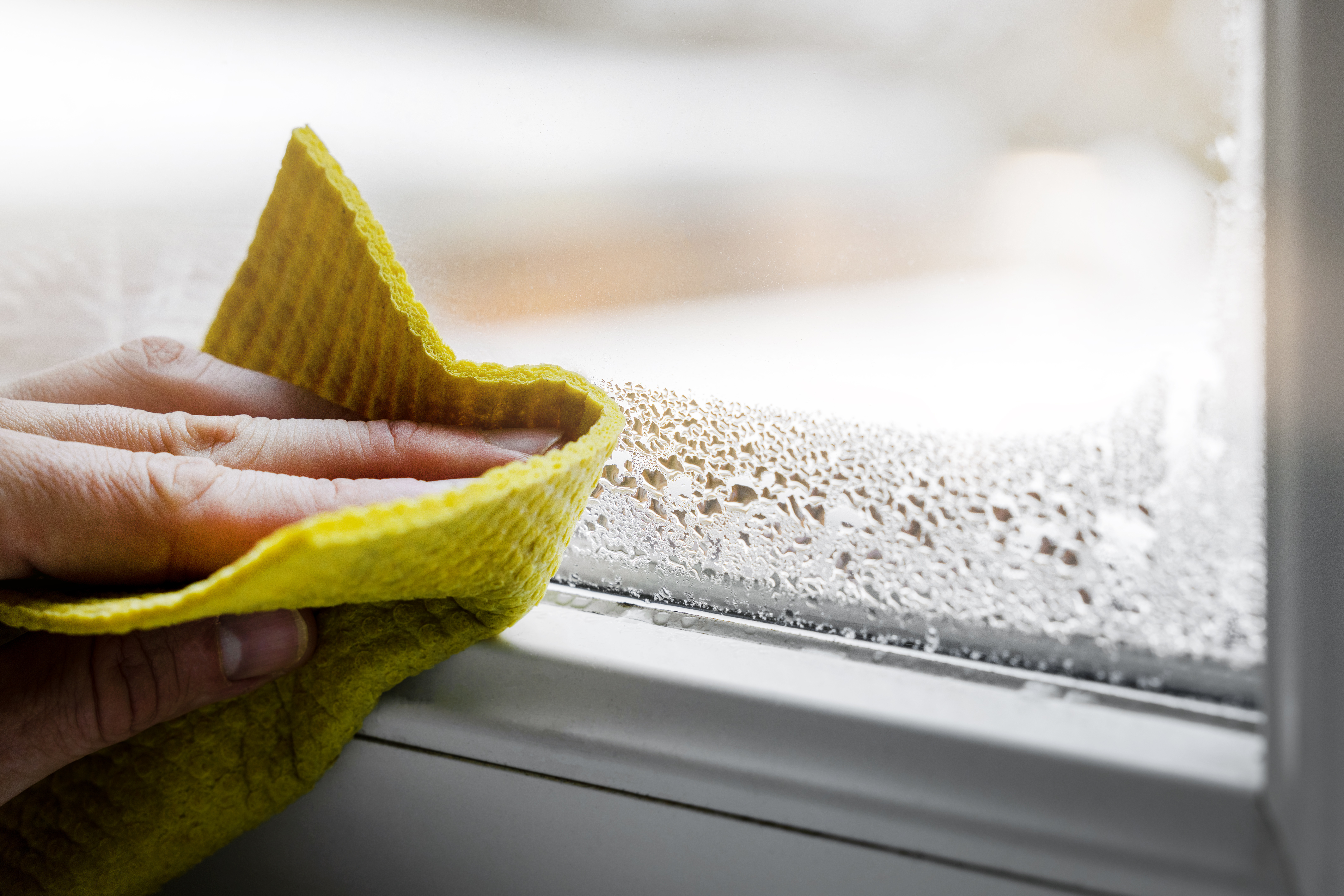
Condensation is the opposite of evaporation and occurs when water vapour changes state to become liquid water. It usually happens when humid air cools, at which point water vapour condenses into liquid water droplets. It can also happen when the air becomes too humid, beyond its saturation point. Condensation is a key part of the water cycle, forming water droplets in clouds when warm and cold fronts meet. Condensation can also occur when warm and humid air meets a cold surface, such as a window or wall within a home.
A build-up of condensation is a common problem within homes of all types and sizes, especially in the winter months. Over a quarter of British homes (27%) already report an issue with condensation, damp, and mould. As condensation can cause damp and mouldy conditions within houses, it’s an important issue to solve. Luckily, there are clear steps to identify and solve a condensation problem.
This guide explains what causes condensation in households, and how to stop it before it becomes an issue.
What causes condensation?
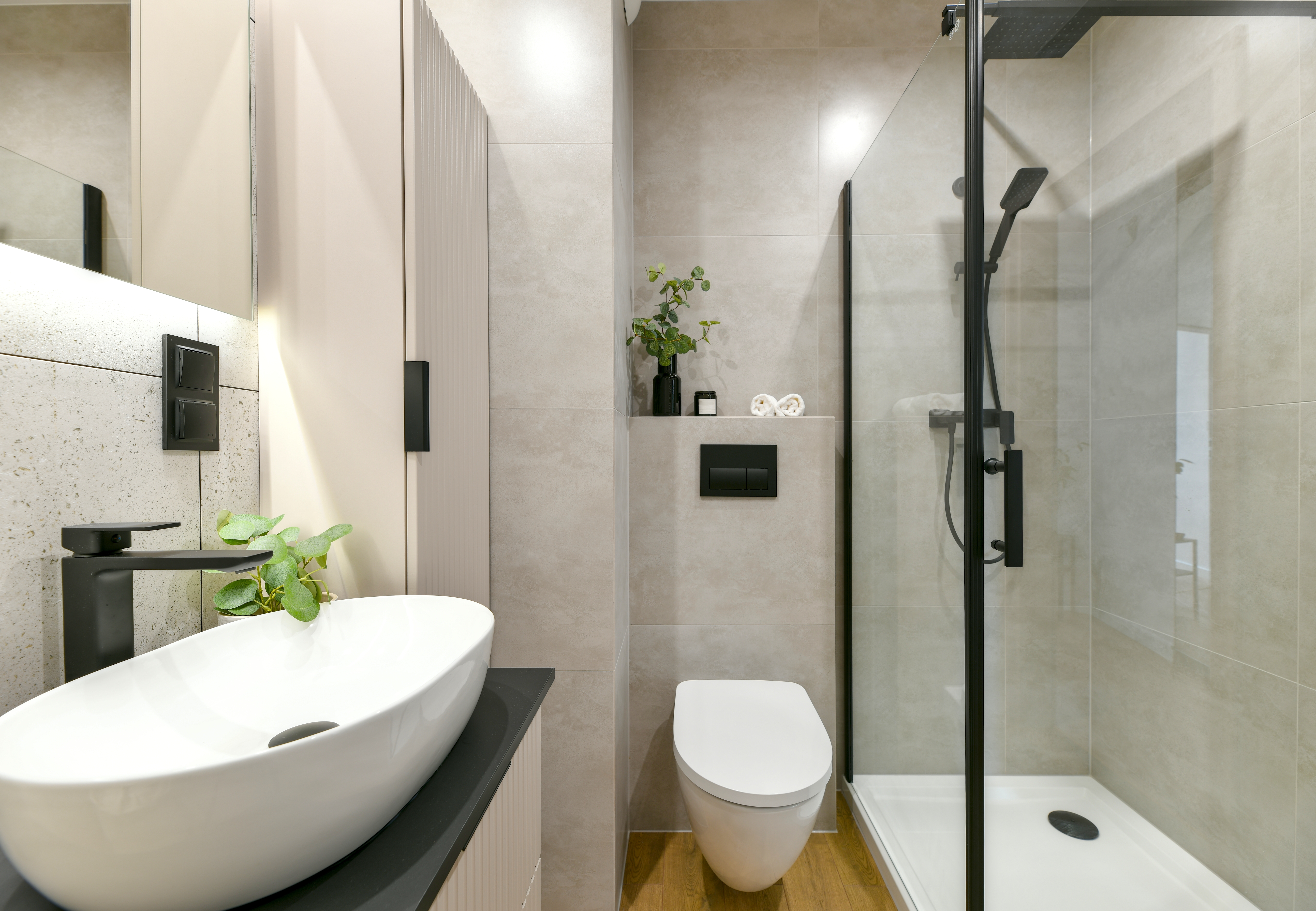
Condensation in homes and commercial properties will occur when humid air cools or becomes oversaturated with water vapour. Warm air can hold more water vapour than cold air, so any sudden drop in temperature can result in water droplets forming in the right conditions. This is usually when warm air meets cold surfaces like windows or walls. For example, a hot shower will likely create a humid environment with condensation occurring on the cold tiles.
For condensation to occur, the air must have some degree of humidity. Cooking, boiling the kettle, drying clothes inside, and running a shower are all causes of humidity within households. Even the act of breathing releases water vapour into the surroundings. A lack of ventilation may worsen the humidity level of this warm air, increasing the likelihood of condensation occurring. Simply put, humid air cannot escape if there is no ventilation. In this case, the warm air may cause condensation in the colder areas of the house. Extractor fans are a common sight in kitchens and bathrooms for this reason. They help to get rid of excess humid air at the source, stopping it from being dispersed across a house or property.
Condensation is much more common in the winter months for a range of reasons. Households may keep windows shut to keep out the cold and are more likely to dry washed clothes inside. This both shuts off ventilation and increases moisture within the house. Good ventilation can help to decrease this damp, stale air.
Central heating will raise the temperature of the air within the home, in contrast to the cold air outside and any unheated spots in the house will likely be very cold in the winter too. This can result in condensation occurring on cold windows, or unheated interior walls. High levels of condensation can cause significant areas of damp and a whole host of issues.
The main causes of condensation include:
● No radiators or heating in parts of the house such as the hallway or bedroom.
● Drying clothes on radiators or anywhere inside the house releases moisture into the air.
● Cooking in the kitchen or washing in the bathroom without proper ventilation.
● Not fully heating the home in winter, with cold areas attracting condensation.
● Lack of ventilation within the home, meaning stale and humid air is trapped inside.
Signs of condensation
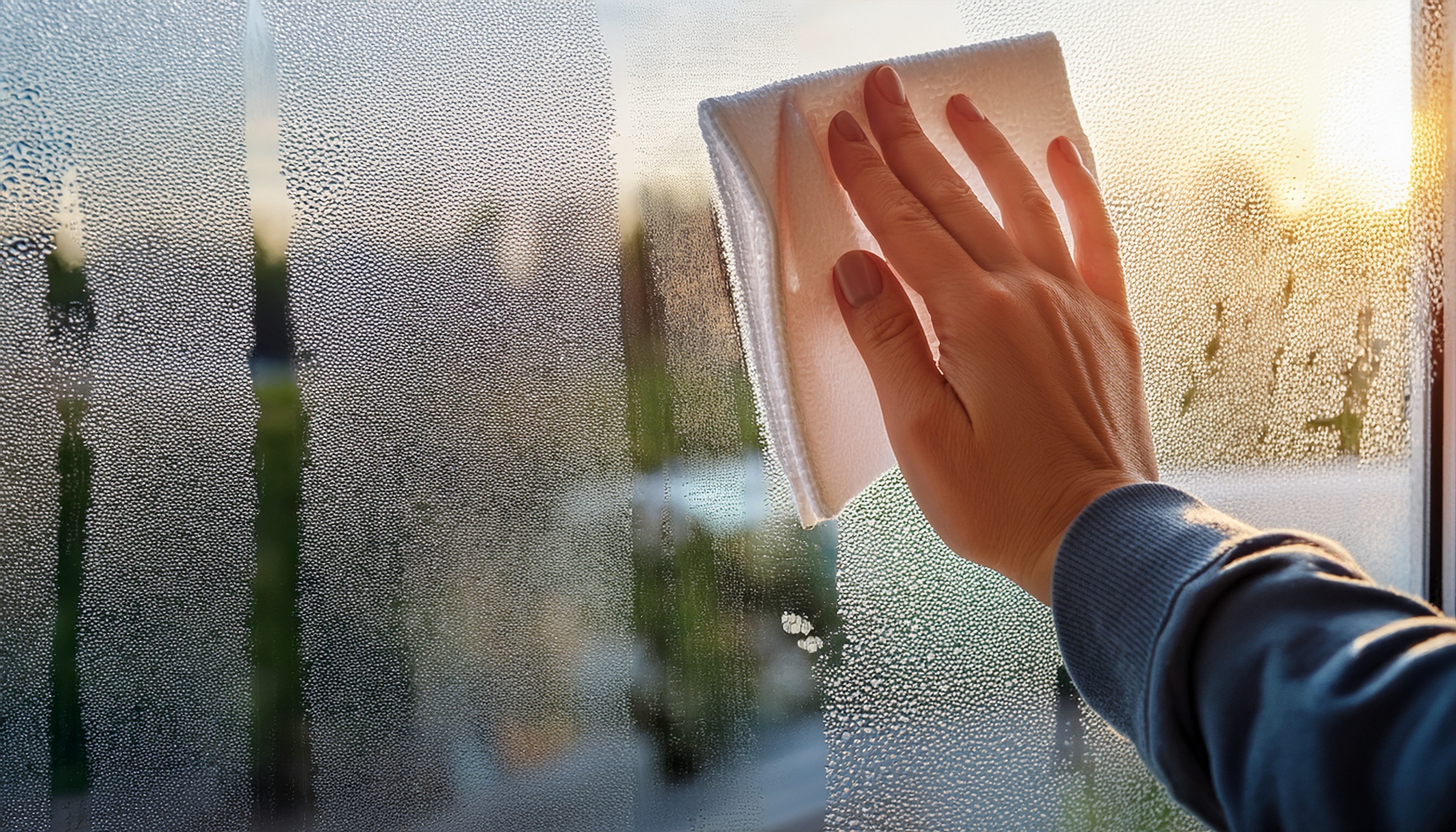
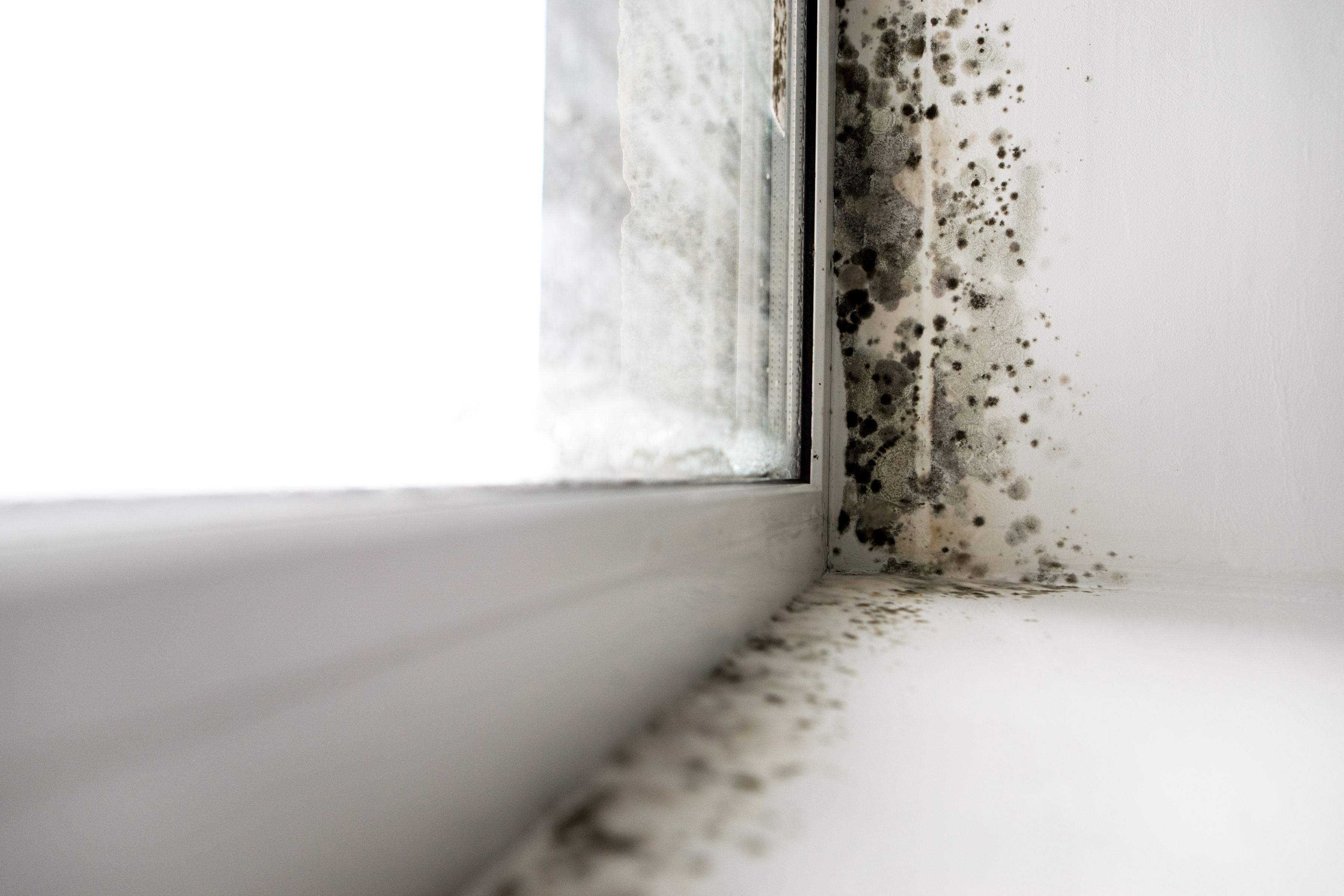
A clear sign of condensation is the build-up of water on cool surfaces within a home. Steamy or fogged windows and mirrors in the bathroom or elsewhere are the more obvious examples of condensation. Look out for water build-up on windowsills or the corner of the window frame overnight.
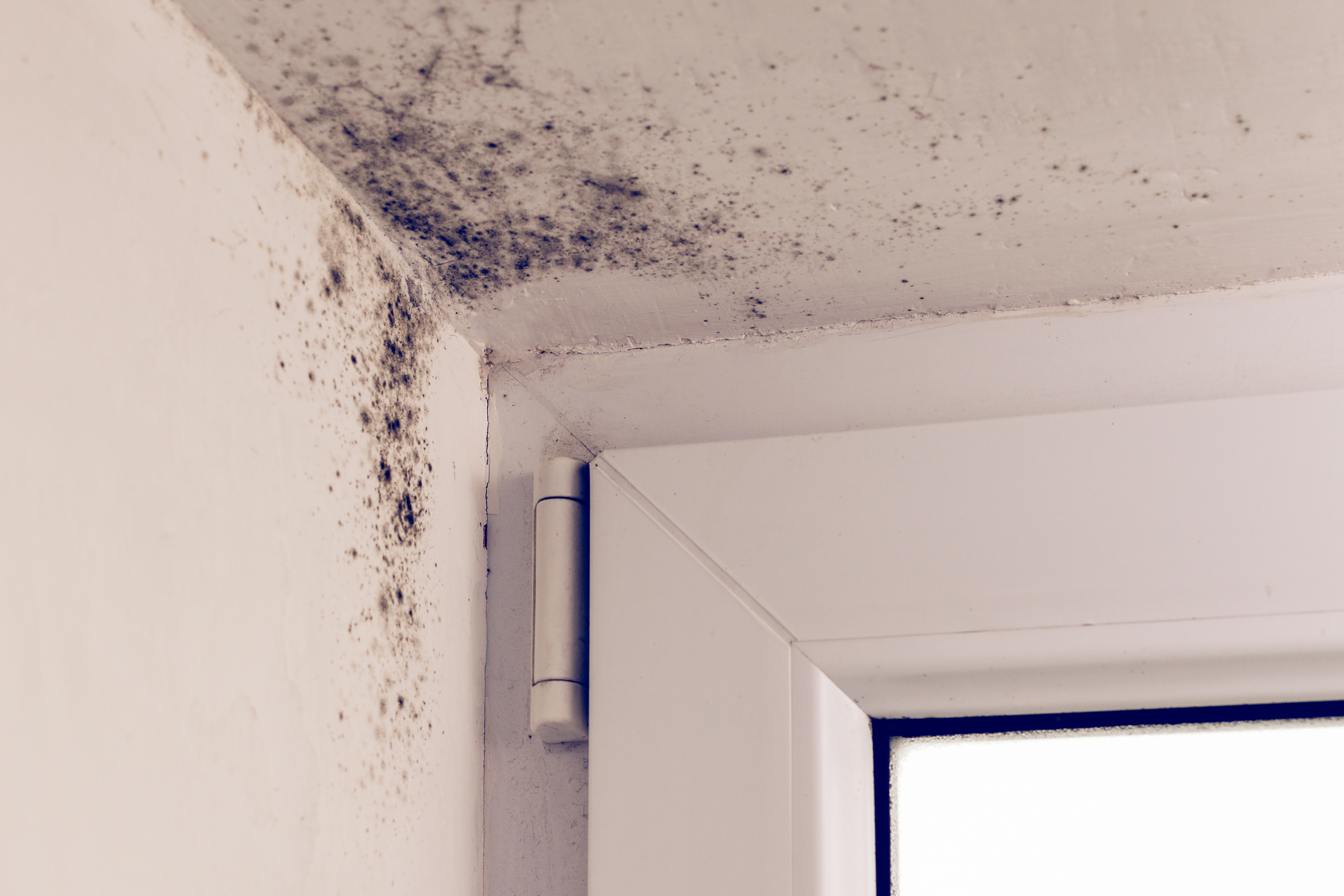
Dampness on walls, fixtures and furniture is a sign of a condensation problem. Warm, moist air will collide with the cold surface of a wall or window and rapidly drop in temperature. This will form water droplets and can occur on a range of surfaces including fabrics and furniture. With any dampness, there is a risk of mildew, mould or rot. Problem areas are behind furniture or in remote corners of the house. Any mould or mildew should alert the house that the condensation problem has persisted. The most common sign is black mould forming on walls.
The colder areas of the home will be more likely to attract signs of condensation. This could be an unheated bathroom or hallway. Warm air from elsewhere in the home may cause condensation when it cools in these colder parts. Signs of a condensation problem may be a continuously damp room or wall, even when the heating is on. This could lead to damaged plaster, peeling wallpaper or mould on the skirting board.
Signs of condensation may include:
● Water build-up on cool surfaces like tiles, wooden floors, windows and mirrors.
● Peeling wallpaper and cold, damp walls.
● Dank, musty smells.
● Mildew or mould behind sofas, on clothes, or in the corner of rooms.
● Black mould on the skirting boards or walls.
● Dampness in the winter months.