
Condensation
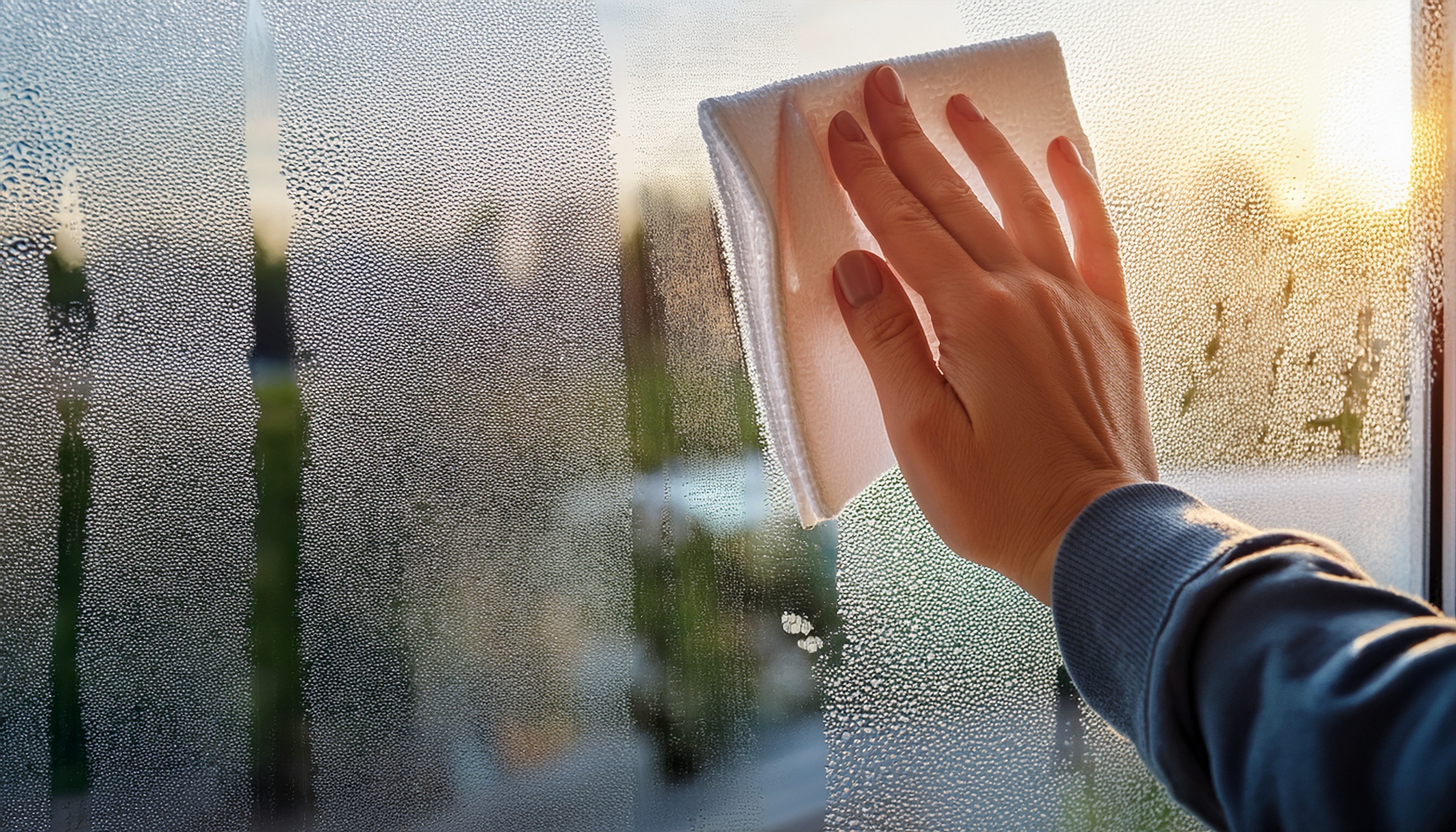
We all notice it from time to time — steamed-up windows after a shower, a patch of damp behind the sofa, maybe a faint musty smell when the heating comes on.
It’s easy to dismiss these as minor irritations, but condensation is often the first sign of something more serious. At Nuaire, we talk a lot about condensation because we see what happens when it’s ignored. It affects homes of every age and type and, if left untreated, it can damage the fabric of a building and impact the health of the people living in it.
What causes condensation? And the first signs to look out for?
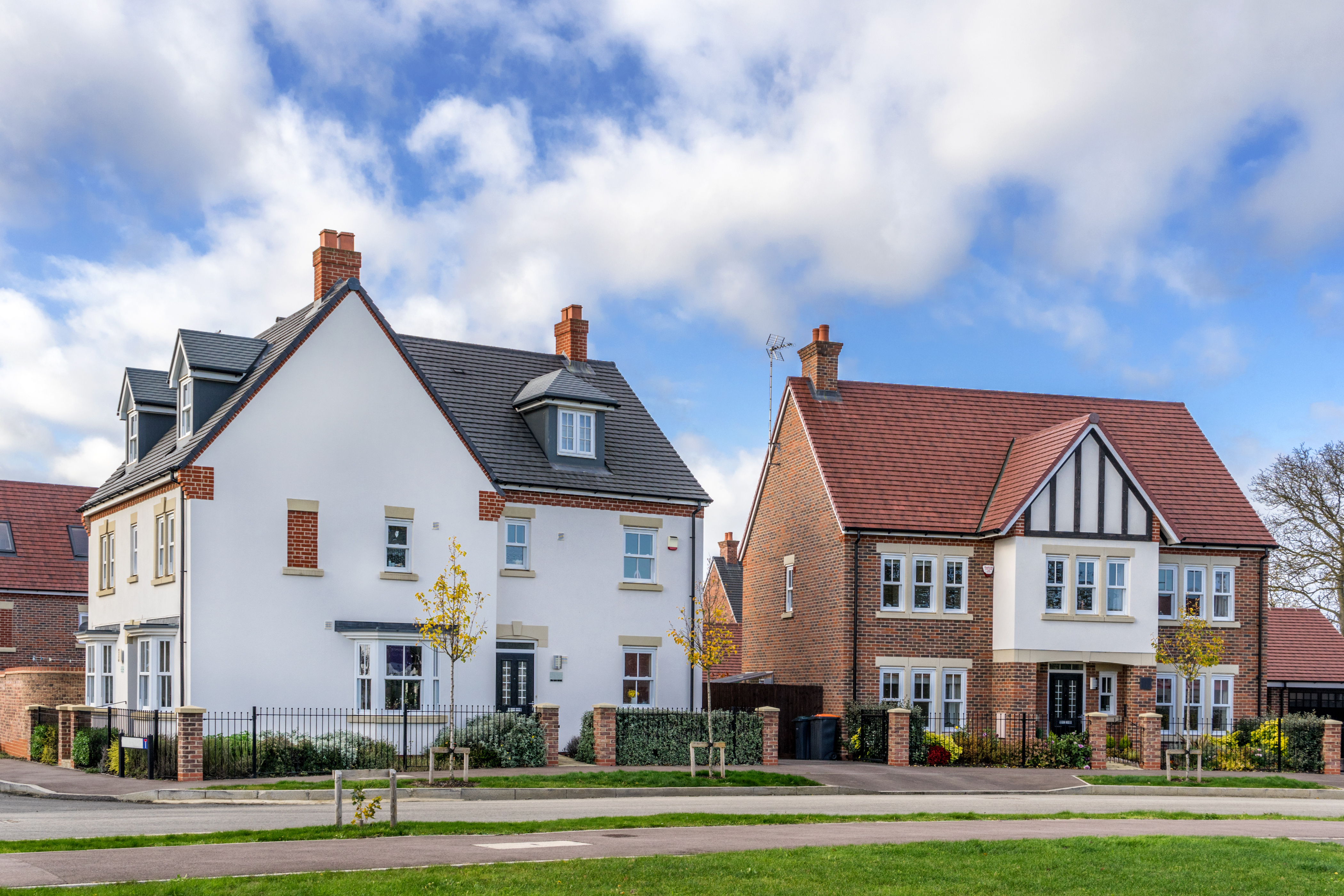
Condensation happens when warm, moist air hits a cooler surface — like a window or wall — and turns into water droplets. Everyday life produces huge amounts of this moisture: cooking, washing, drying clothes, even breathing.
Whilst older homes were naturally “leaky” when they were built, allowing air (and moisture) to escape through gaps and cracks, new build properties are more airtight, and that moisture has nowhere to go. Work to make older properties better insulated has a similar effect. The result? Without adequate ventilation, damp corners, misty windows and, if things go too far, mould will start to appear.
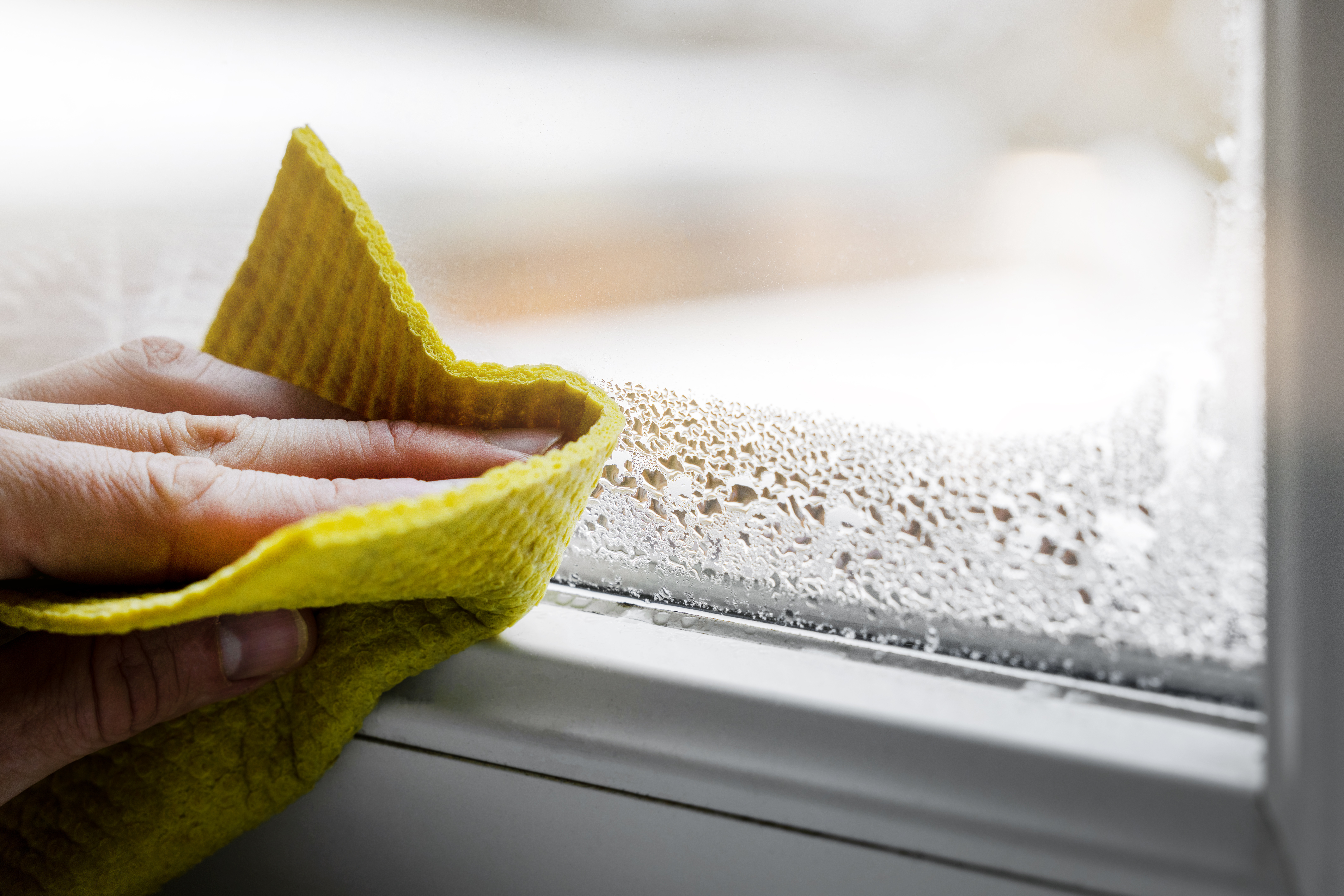
You’ll often spot condensation first on cold surfaces, especially windows and external walls. You might notice water droplets on sills or a thin film of moisture that never quite dries. Wallpaper can start to peel, and you may find dark mould growing behind furniture or in corners where air doesn’t circulate well.
These are warning signs that humidity levels are too high. The earlier you catch them, the easier it is to stop the problem from spreading.

Why it’s more than a cosmetic issue?
Condensation can do real damage if it’s allowed to persist. Damp conditions encourage mould growth, which releases spores that can trigger allergies, asthma and other respiratory problems. It can also cause plaster to crumble, timber to rot and paintwork to deteriorate.
What many people don’t realise is that damp walls also make a home harder to heat. When moisture soaks into building materials, they lose their insulating power, meaning more energy is required just to stay warm. It becomes a vicious cycle: cold walls attract more condensation, and condensation makes those walls even colder.
For landlords and housing providers, this isn’t just a maintenance headache — it’s a wellbeing issue. Tenants living with damp and mould are understandably frustrated, and temporary fixes like washing walls or repainting rarely last.
Why condensation keeps coming back?
Even when you think you’ve dealt with it, condensation often returns. Many of us close windows in winter to save heat, but that also traps humid air inside. Cold rooms, under-heated spaces and poor air circulation give condensation the perfect conditions to return.
Recognising the pattern is the first step. Once you understand that condensation is a ventilation problem, not just a cleaning one, you can start to find lasting solutions — which is exactly what we help people do every day.
Residential Dwelling's Support Team
If you have any questions about ventilation for residential properties, including problems and solutions, feel free to get in touch. A member of our team will be happy to help.

Condensation and Mould Insights and News Article
Insights on the reasons and prevention of condensation dampness and mould problems.