
Condensation
Excess moisture in the home can lead to condensation and create the damp conditions in which mould is more likely to grow. Improving ventilation can help by moving stale, moisture-laden air out of the home and replacing it with fresher air.
One option you may have come across is Positive Input Ventilation (PIV). It can be an effective way to help manage condensation in suitable homes, but there’s an important point to understand before having a system installed: your loft needs to be checked first.

What is PIV and how does it work?
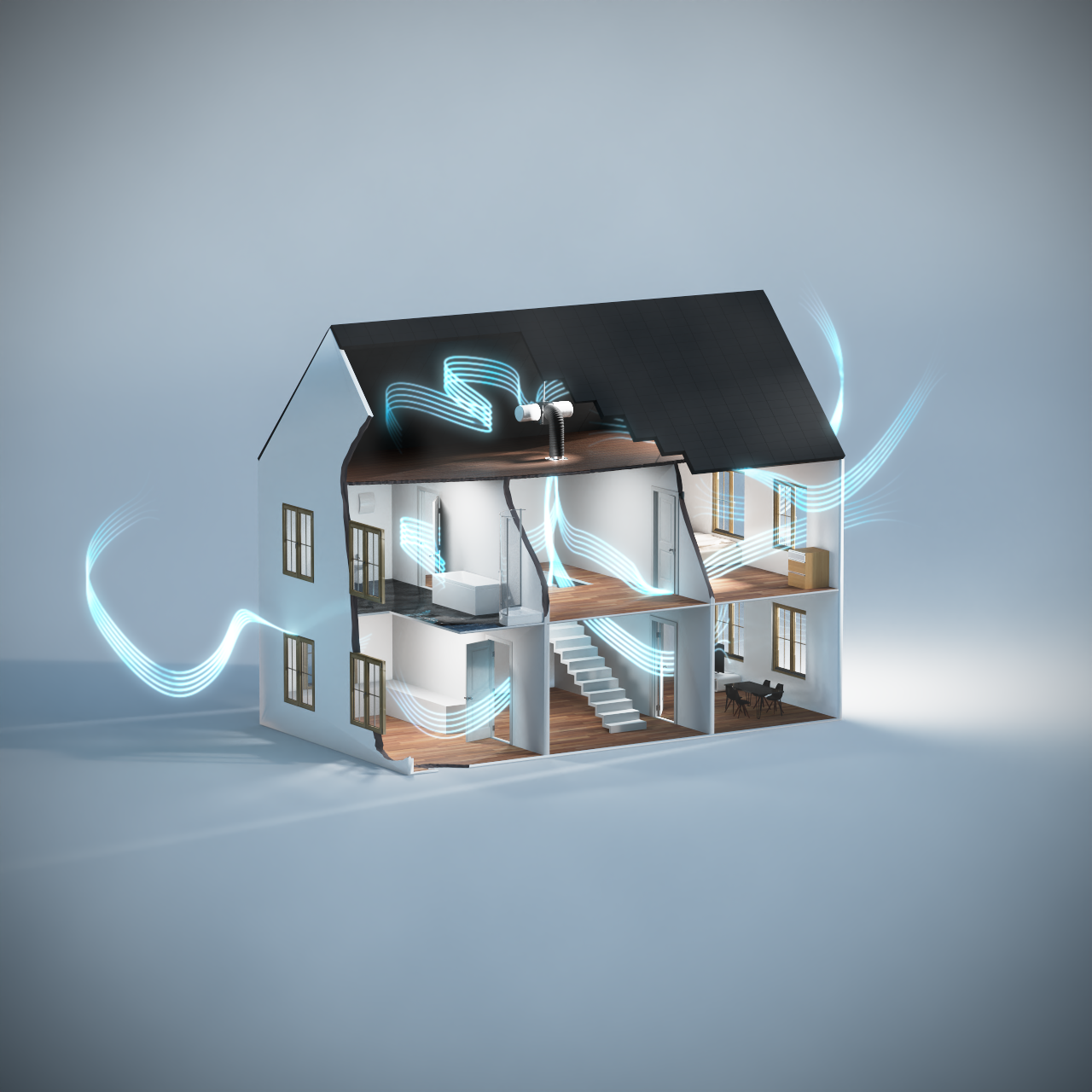
If your home has a loft, a PIV unit can usually be installed there. The system works by drawing air from outside into the loft space through natural gaps and ventilation points in the roof (such as roof tiles, soffits etc). It filters that air and then gently introduces it into your home through a diffuser (a ceiling vent), usually on the upstairs landing. This creates a continuous, gentle flow of air through the property, helping to dilute humid, stale air and reduce the build-up of excess moisture.
Our Drimaster-Eco range are designed to provide this type of whole-home ventilation and can be particularly helpful where condensation isn’t limited to just one room but is appearing in several areas around the home.
Will PIV solve my condensation and mould issues?
PIV is one means of helping to remove moisture-laden, stale air, and it’s very effective for many properties. However, the most appropriate ventilation approach will depend on the nature of your home, its existing ventilation and where excess moisture is being generated.
In addition to PIV, ventilation options for existing UK homes can also include Building Regulations compliant intermittent extract ventilation and continuous extract ventilation such as dMEV to prevent the build-up of moisture in rooms where there is likely to be a higher level of water vapour, such as bathroom and kitchens.
An intermittent extract fan operates when additional ventilation is needed (often activated using a switch, alongside the bathroom light, by a timer, or automatically in response to humidity), whereas dMEV fans provide continuous low-level ventilation. Our Cyfan extract fan, for example, can be configured for intermittent and continuous operation. Our Faith-Plus continuous running mixed flow axial fan provides a cost-effective, low maintenance ventilation solution that complies with Building Regulations. It features an integral monitoring device to boost air flow when necessary. Its contemporary design also means it looks good in your home!

Why does the condition of your loft matter for PIV?
Because a loft-mounted PIV unit takes its air from the loft, that space needs to be in good condition before the system is installed. A loft survey is essential and should form part of the professional service provided by your ventilation installer.
Before fitting the PIV unit, your installer should check for any signs of damp, mould, condensation or water getting into the loft. If there is a problem, the cause should be identified and dealt with first. They should also check that the loft has adequate ventilation, for example through suitable air bricks or other openings, and that these haven’t been blocked.
Other things your installer should look at include whether water tanks are properly covered and sealed, whether pipes are insulated, and whether gaps around pipework, cables or light fittings are allowing too much warm, moist air from the home to enter the loft. Insulation should also be checked to make sure it isn’t blocking ventilation openings or restricting the PIV unit. These are all part of the loft-condition checks before PIV installation.

Why does the position of the ceiling vent matter?
You don’t need to understand the technical detail, but it is reasonable to ask whether your loft has been inspected and whether the installer is satisfied that it is suitable for PIV.
A good installer should be able to explain:
- whether the loft is adequately ventilated;
- whether there are any signs of damp, mould or water ingress;
- whether anything needs to be put right before the PIV unit is fitted;
- where the PIV unit and the ceiling vent will be positioned; and how the system will be set up for your particular home.
The aim is to make sure the system is suitable for your property rather than simply installing a unit and assuming it will provide the expected ventilation.

Does PIV need looking after?
Yes, although maintenance is relatively straightforward.
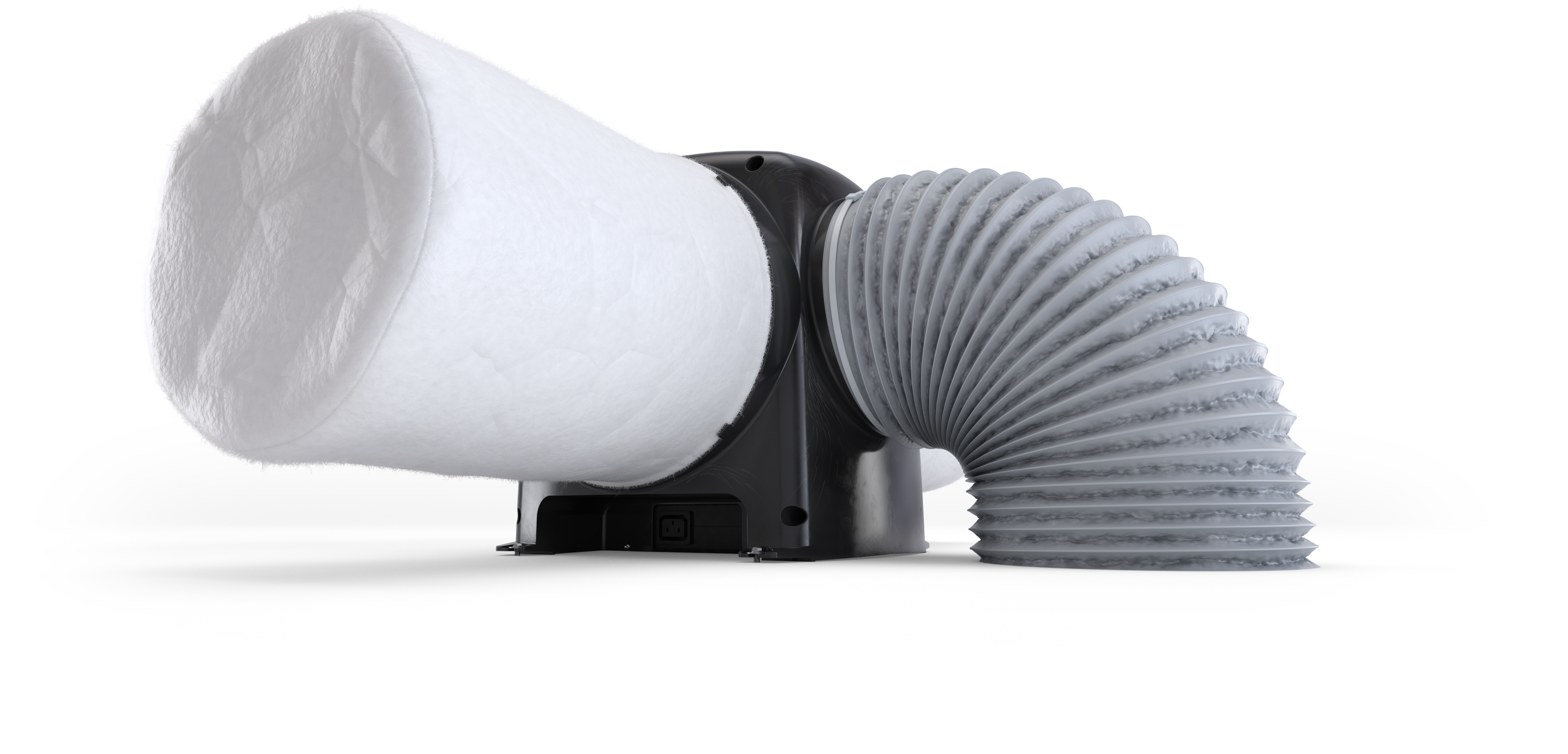
Because a PIV unit filters the air it introduces into your home, the filters need to be checked and replaced. For our standard Drimaster-Eco, the filters should be visually checked at least every two years and changed at a minimum of every five years.
The unit should also remain free from obstruction, so stored items or loft insulation should not be allowed to block it. If you already have PIV and are still experiencing persistent condensation, it is worth asking a ventilation professional to check that the system is working correctly, that the filters are in good condition and that the airflow setting is appropriate.
The Important Thing to Remember
If you’re considering PIV because you’re worried about condensation or mould, don’t just focus on the unit itself. A good installation should start with a proper look at your home and, crucially, your loft. Your installer should check that the loft is suitable, free from unresolved damp and mould problems, and properly ventilated before fitting the system. Also, step back and take a look at where excess indoor humidity is being generated. Additional ventilation in the form of Building Regulations compliant extract fans may also be required to help manage moisture and make conditions less favourable for mould growth.

Condensation and Mould Insights and News Article
Insights on the reasons and prevention of condensation dampness and mould problems.



Residential Dwelling's Support Team
If you have any questions about ventilation for residential properties, including problems and solutions, feel free to get in touch. A member of our team will be happy to help.