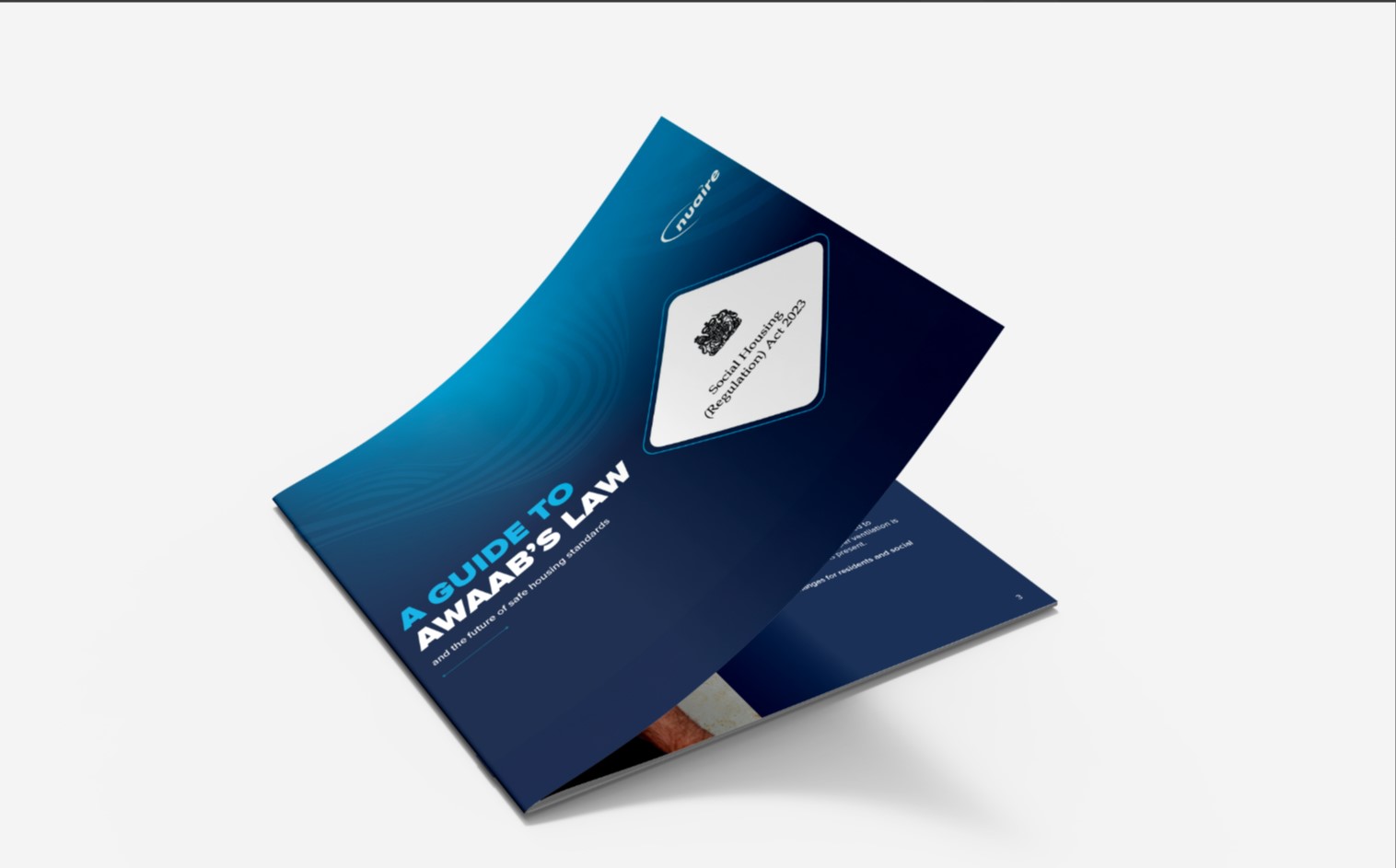
Awaab’s Law: Supporting Safer, Healthier Homes in Social Housing
Awaab’s Law marks a profound and necessary change in how damp and mould are addressed in social housing. Named after Awaab Ishak, who tragically died in 2020 following prolonged exposure to mould in his home, the legislation exists to ensure that no family has to endure unsafe living conditions, and that health risks are acted upon effectively and within set timeframes.
For social housing providers, Awaab’s Law introduces clear legal duties alongside a wider moral responsibility: to treat damp and mould as serious hazards, to respond promptly to residents’ concerns, and to take a more preventative, long-term approach to building safety and wellbeing.
What Awaab’s Law requires
Under Awaab’s Law, social landlords are legally required to investigate and remedy hazards such as damp and mould within defined timescales. Where a significant hazard is reported, landlords must begin an investigation within 10 working days. If works are required, these must start within a further five working days and be completed as soon as reasonably practicable, within a maximum of 12 weeks.
Where a hazard presents an immediate risk to life or health, emergency action must be taken within 24 hours.
These requirements underline the seriousness with which damp and mould must now be treated. They provide residents with greater assurance that issues cannot be delayed, while giving landlords a clear framework for action and accountability.
A law centred on people, not process
While Awaab’s Law introduces defined procedures and timescales, its intent is fundamentally about people. Poor housing conditions can have a severe impact on physical and mental health, particularly for children, older people, and those with respiratory conditions.
The legislation strengthens residents’ rights and expectations, placing greater emphasis on clear communication, transparency, and responsiveness. For housing providers, this creates an opportunity to rebuild trust with residents by demonstrating that concerns are listened to, taken seriously, and addressed without delay.
Strengthening systems and processes
Meeting the requirements of Awaab’s Law will rely on robust internal systems as much as technical solutions. Clear reporting routes, consistent inspection processes, and well-trained teams are all essential to ensuring hazards are identified early and addressed within required timescales.
Many housing providers are already taking steps to embed these practices, using data and asset information to identify higher-risk properties and prioritise interventions. Awaab’s Law provides a structure that brings these efforts together, supporting a more consistent and transparent approach across housing portfolios.
An opportunity for lasting change
Awaab’s Law represents a turning point for the social housing sector. It reinforces the principle that damp and mould are not inevitable, and that safe, healthy homes should be the standard for every resident.
For housing providers, the challenge is not only to comply with the legislation, but to embrace its wider purpose: preventing harm, improving living conditions, and creating homes that support health and wellbeing. By focusing on prevention, early intervention, and clear communication, landlords can move beyond compliance and help deliver meaningful, lasting change.
At Nuaire, we have worked alongside social housing providers for decades, supporting ventilation strategies that improve indoor environments and reduce the risk of condensation and mould. We remain committed to helping the sector interpret and respond to Awaab’s Law in a way that puts residents first and supports safer homes for the future.