
The Project

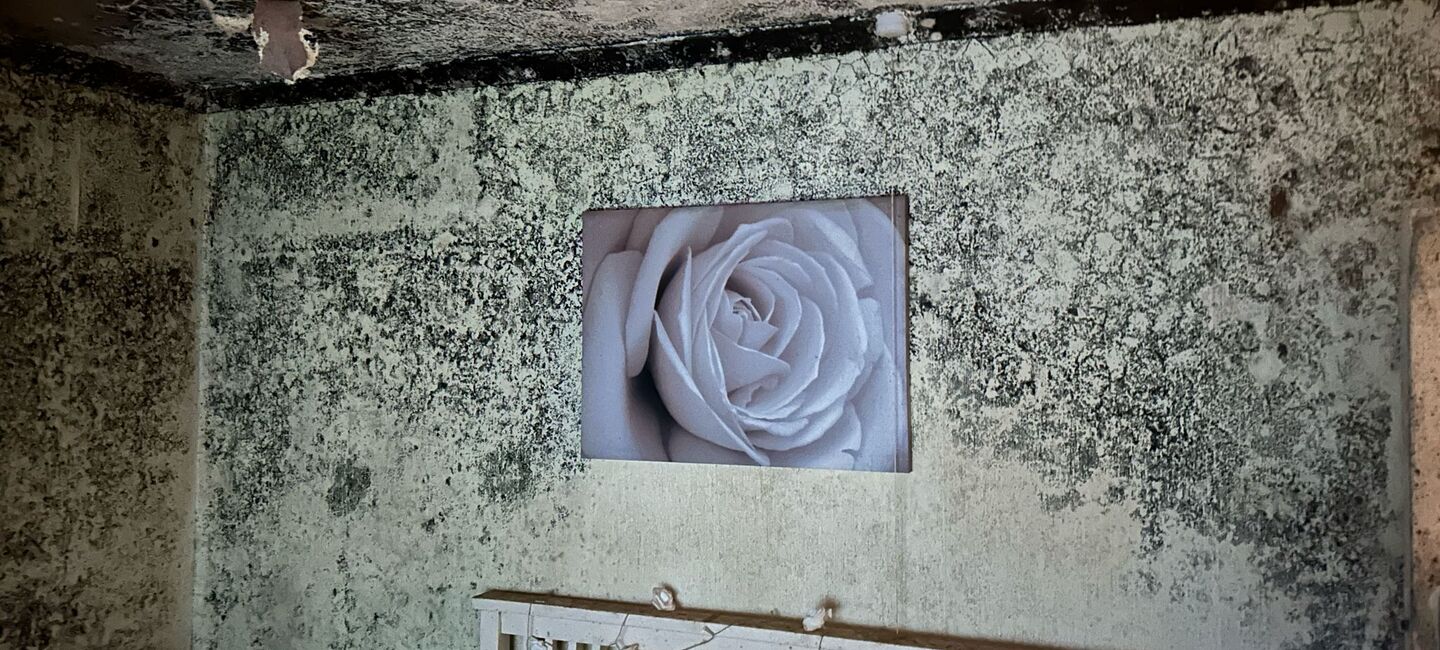
Martin Lomas, owner of Gastech, a plumbing and heating installation firm serving Dorset, Wiltshire and surrounds, was familiar with the issues damp and condensation can cause—especially in older properties. But it wasn’t until he moved into a 250-year-old stone cottage himself that he experienced the problem first-hand. “The windows were streaming every morning. We’d need several tea towels just to dry off one window,” he said. “The whole house felt damp, especially in winter.”

Like many installers, Martin was sceptical of products claiming to be a one-stop solution for complex problems like condensation and poor air quality. But after hearing about Nuaire’s Drimaster-Eco Positive Input Ventilation (PIV)system from a former customer and researching it himself, he decided to give it a try.

What Is Drimaster-Eco?

Drimaster-Eco Heat is a PIV system designed to combat condensation, mould, and indoor air pollution. It works by drawing air from the loft, filtering it, warming it with an integrated low-energy heater, and then gently introducing it into the home through a central ceiling diffuser. This constant supply of fresh air creates a slight positive pressure that helps push stale, moisture-laden air out through the natural leakage points of a property. “It’s not just sucking air out like a standard fan,” Martin explains. “It’s putting fresh, filtered air in and pushing all the bad stuff out. It’s common sense—and it works.”

Installation Experience

Despite never having installed a PIV system before, Martin found the process intuitive, with only minor adjustments needed for his older property. The full installation, including wiring and cutting through the ceiling, took just three to four hours. “For a modern house, it would be quicker. But I’d rather take my time and do it properly. Like with boilers—we use decent fixings, so nothing rattles or comes loose over time. Same principle here.”

A Noticeable Difference

Martin noticed improvements in condensation and air quality almost immediately after installation. “On the day I fitted it, it was rainy and damp, so I expected it to take time. But after about four hours, I could already see less moisture on the windows. After a week, the difference was massive.”

Cooking smells that previously lingered for hours now dissipate quickly. “Spicy food smells? Gone within the hour. It’s brilliant.”

He also noted reduced dust and airborne particles, making day-to-day life more comfortable. “Even the amount of dust has gone down. You can see the fibres in the air on a sunny day—now, not so much. It’s like the house can breathe again.”

For Installers, Landlords and Homeowners

Martin is now actively recommending the system to customers—especially landlords and property managers of shared housing. “In HMOs [house in multiple occupation], you can’t rely on tenants to open windows or use extractor fans. With the Drimaster-Eco, you don’t have to—it’s automated and discreet.”

He also sees strong benefits for families, especially those dealing with asthma or allergies. “If you’ve got kids with breathing issues, this system is a no-brainer.”

For installers, Martin believes it’s a valuable addition to the toolbox—especially for properties suffering from poor ventilation or persistent damp.

“I’ve started telling customers, ‘I’ve got this in my own house, and it’s transformed the place.’ That carries weight. It’s not a sales pitch—it’s the truth.”

Final Thoughts

While Martin doesn’t claim the Drimaster-Eco is a magic bullet, he calls it “a smart, solid solution” that can dramatically improve living conditions when combined with common-sense ventilation habits. “It’s not going to do all the work for you. People still need to use extractor fans and dry clothes sensibly. But it makes everything else work better.”

As building standards tighten and awareness of indoor air quality grows, Martin sees Nuaire’s Drimaster-Eco system as part of the future. “It’s affordable. It’s effective. And it’s invisible once it’s in. Honestly, it’s one of the best bits of kit I’ve fitted in years.”