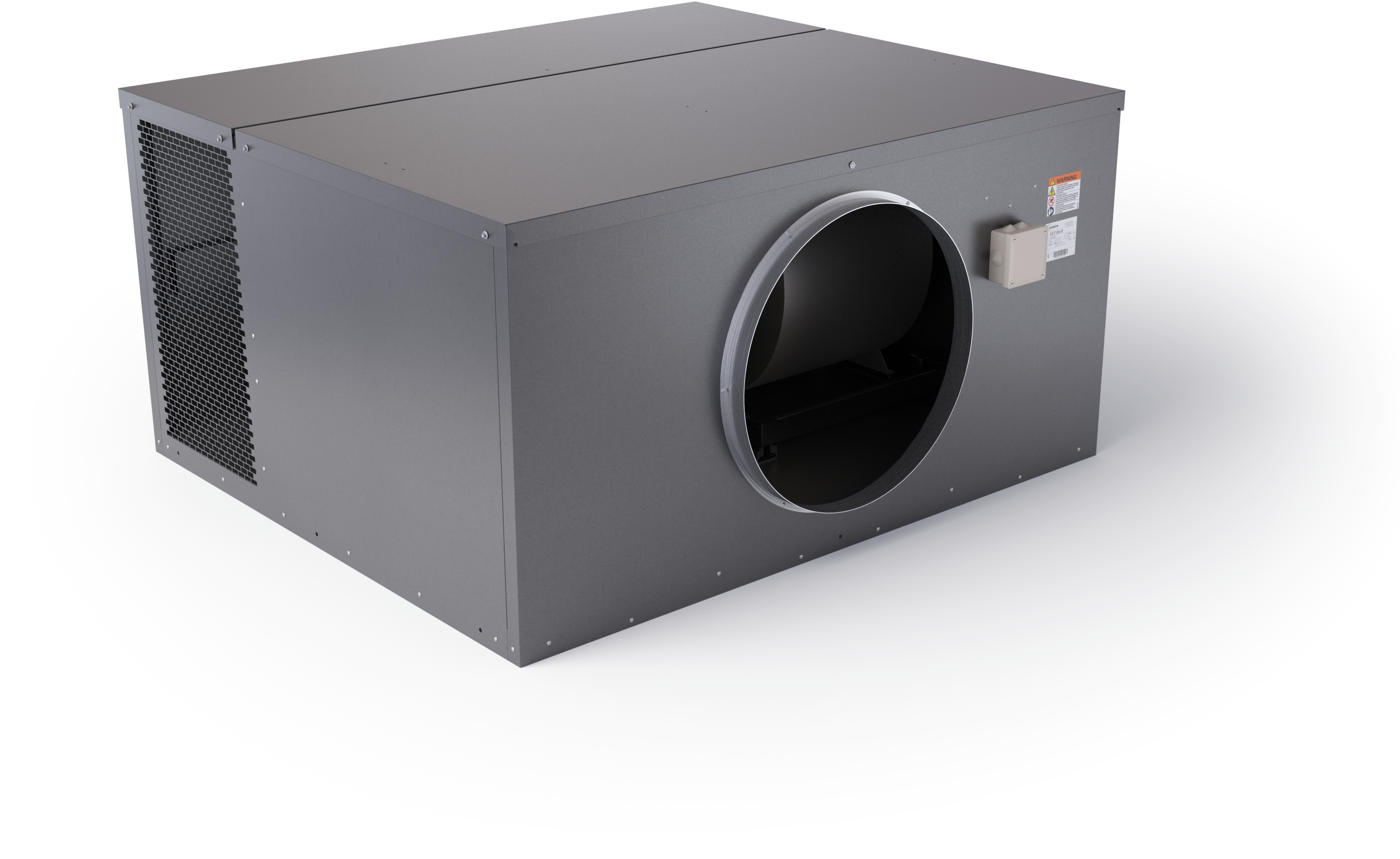
Here at Nuaire we have announced that a selection of our Magnelis® steel-based ventilation systems are now being made from XCarb® recycled and renewably produced steel.
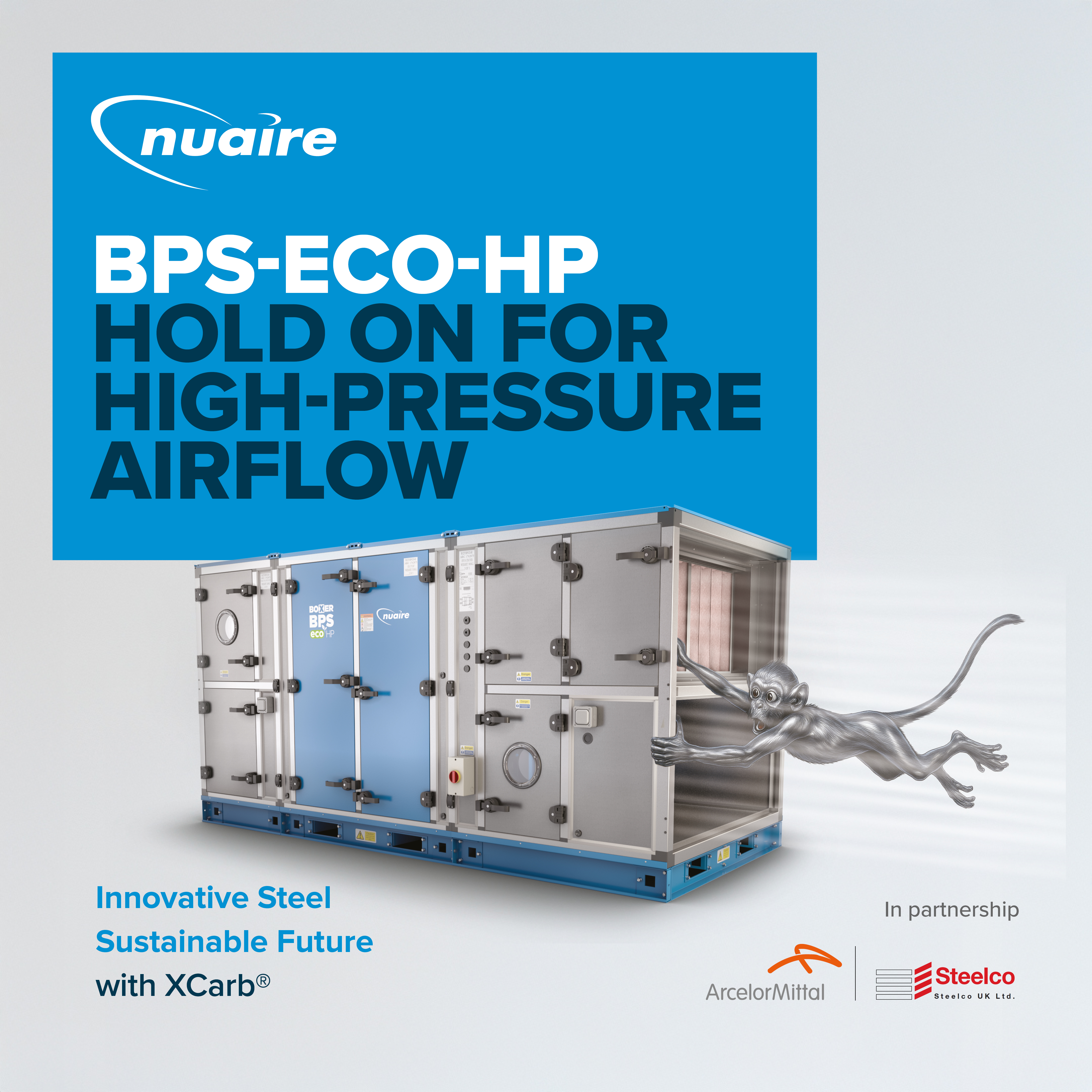
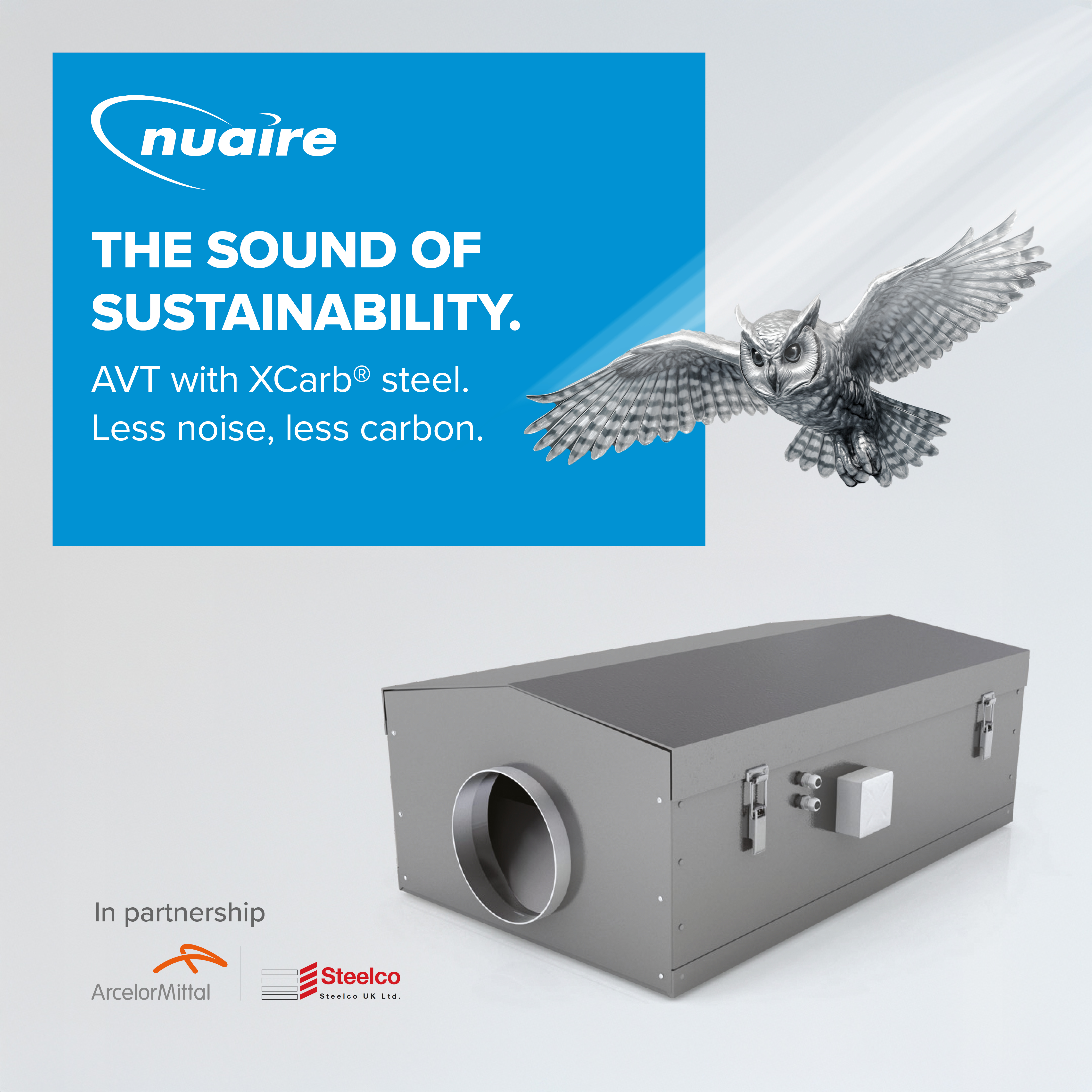
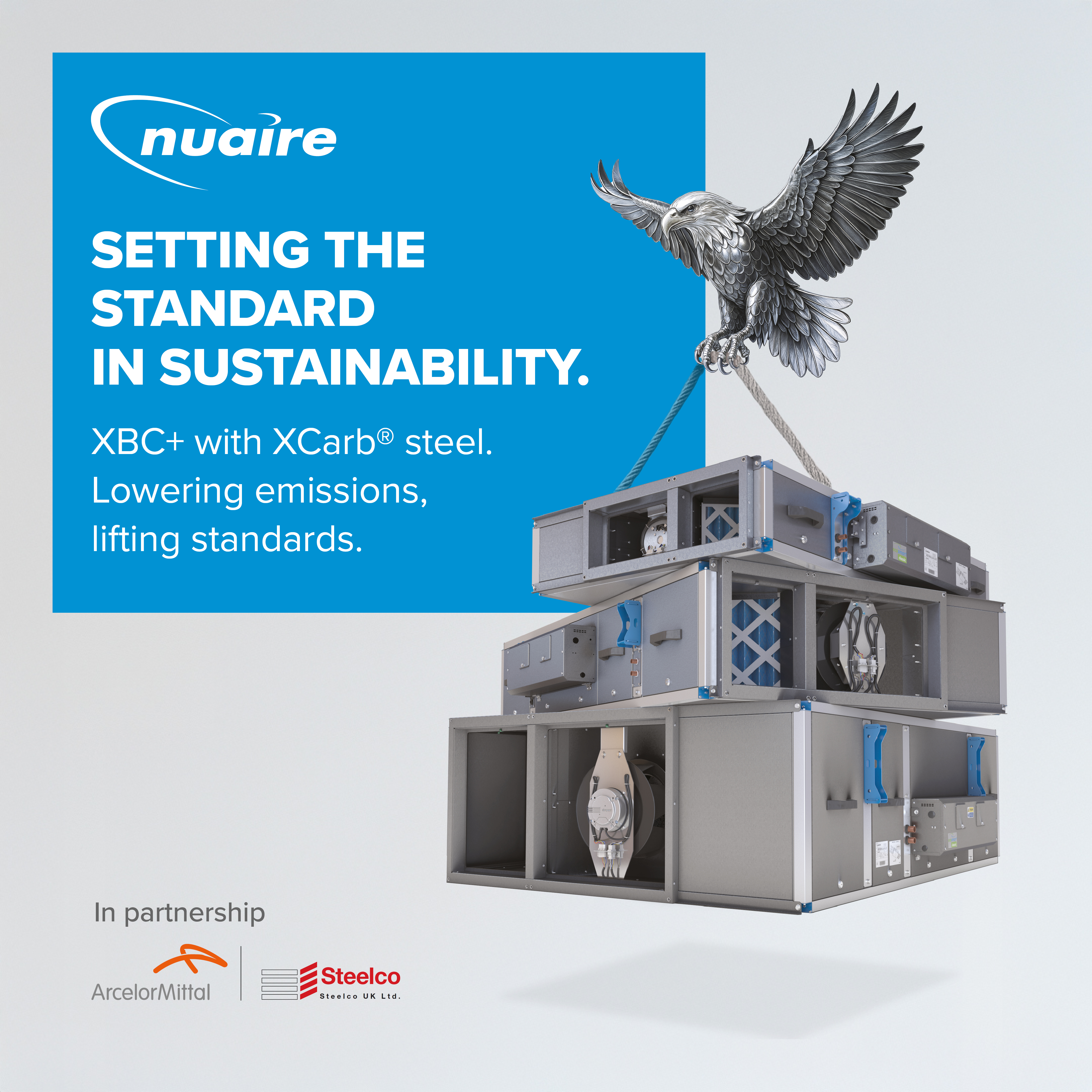
Leading the way in sustainability, we are proud to be the first UK ventilation manufacturer to switch to this innovative steel, which will result in a 64% reduction in CO2 emissions on these products within the first year alone, compared with the same steel manufactured via the conventional steelmaking route. Products to benefit from this transition to XCarb® steel include, but not limited to, our industry leading BPS air handling units and XBOXER XBC packaged heat recovery systems.

Lower carbon-emissions
For customers, this transition to a lower carbon-emissions steel has only positive benefits; the quality of our products will remain as before, with the additional benefit of helping to reduce embodied carbon within buildings. Embodied carbon - the carbon emissions associated with the material extraction and manufacture, construction, maintenance, refurbishment, and demolition of a building - makes up 20% of the UK built environment’s emissions. To reduce this, we need to use less materials in building design, and those materials that are required should be low carbon wherever possible. Magnelis made with XCarb® recycled and renewably produced steel has an embodied carbon footprint of just 0.898 tCO2e/t of material, which is considerably lower than the 2.51tCO2e/t of material of the steel previously used, meaning our ventilation systems manufactured with this innovative steel help reduce a building’s embodied carbon.
XCarb®
As part of this support and to assist consultants and developers in measuring embodied carbon in their projects, we now provide detailed TM65 datasheets on the majority of our products to show the embodied carbon of individual products, including a breakdown of the calculation from material extraction through to end-of-life disposal.
XCarb® recycled and renewably produced steel has been developed by ArcelorMittal, Europe’s largest steelmaker, as a part of their decarbonisation strategy. Made in an electric arc furnace with guaranteed high scrap content and 100% renewable electricity, the steel has a third-party verified Environmental Product Declaration (EPD).
As part of the Genuit Group, which has pledged to be net zero by 2050 and has set rigorous carbon reduction targets.


XCarb® through Steelco.
“Mechanical, electrical and plumbing products are typically 23% of the embodied carbon of a building” states Alun Thomas, Engineering Director of Nuaire.
“This is a significant figure, so focussing on reducing it will make an important contribution to reducing a building’s overall embodied carbon. We understand customers are under pressure to reduce carbon and, like ourselves, have their own Science Based Targets they are trying to meet. We recognise the role Nuaire has to play in helping customers meet their targets, and transitioning to XCarb® low carbon-emissions steel is one of a raft of measures we are taking to support customers and, ultimately, the planet. Being the first UK ventilation manufacturer to use XCarb® is a clear statement of our intent to drive sustainability throughout our product ranges and our manufacturing processes.”
We were introduced to XCarb® through Steelco. We have worked together for over 25-years, exploring new advancements in steelmaking with a lower environmental impact. Commenting on the relationship, Stuart Harper, Commercial Manager at Steelco, said: "Steelco is a proud partner to Nuaire and, with technical support provided by Arcelor Mittal, is excited to support their commitment to a more sustainable future, just one of many shared values between our companies. Now, as we look to the future, we have confidence that XCarb® plays a significant part in maintaining Nuaire's market-leading position while safeguarding the planet for future generations."
XCarb® Product Range
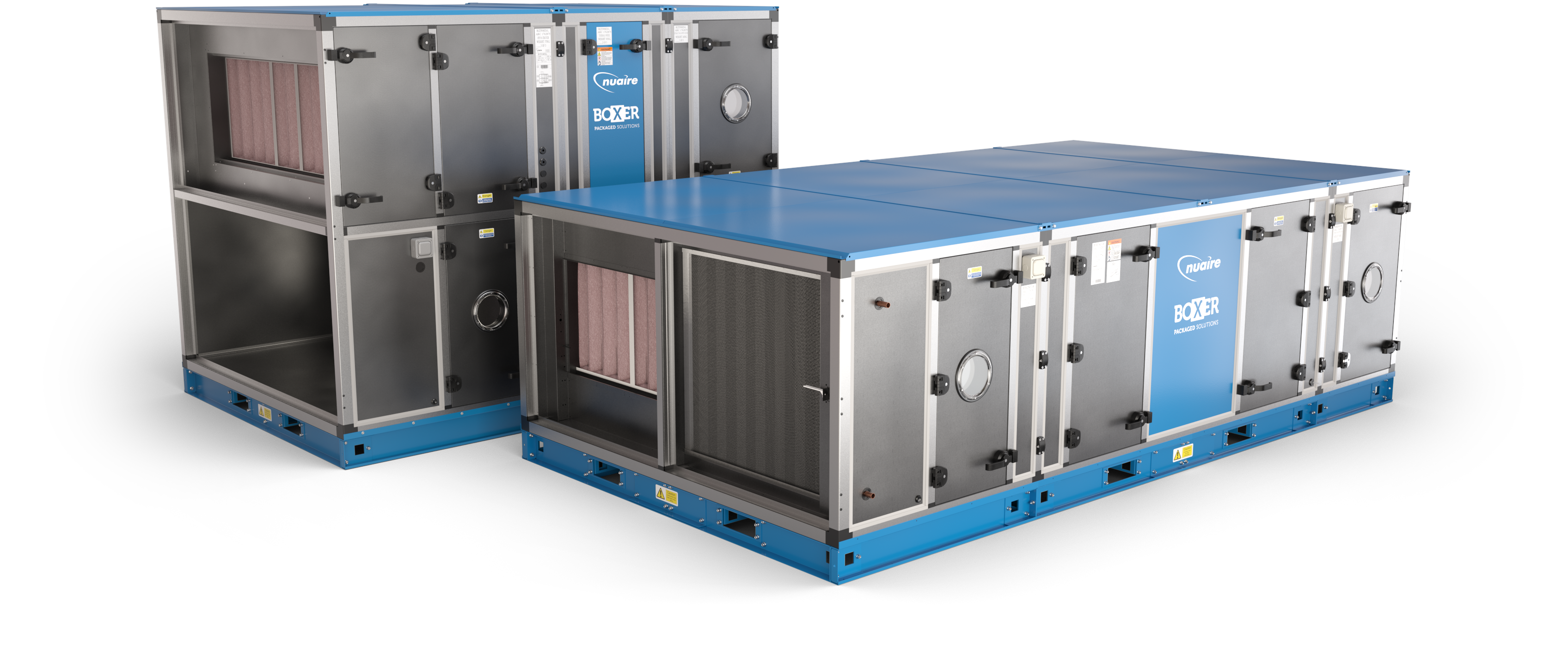
BOXER BPS
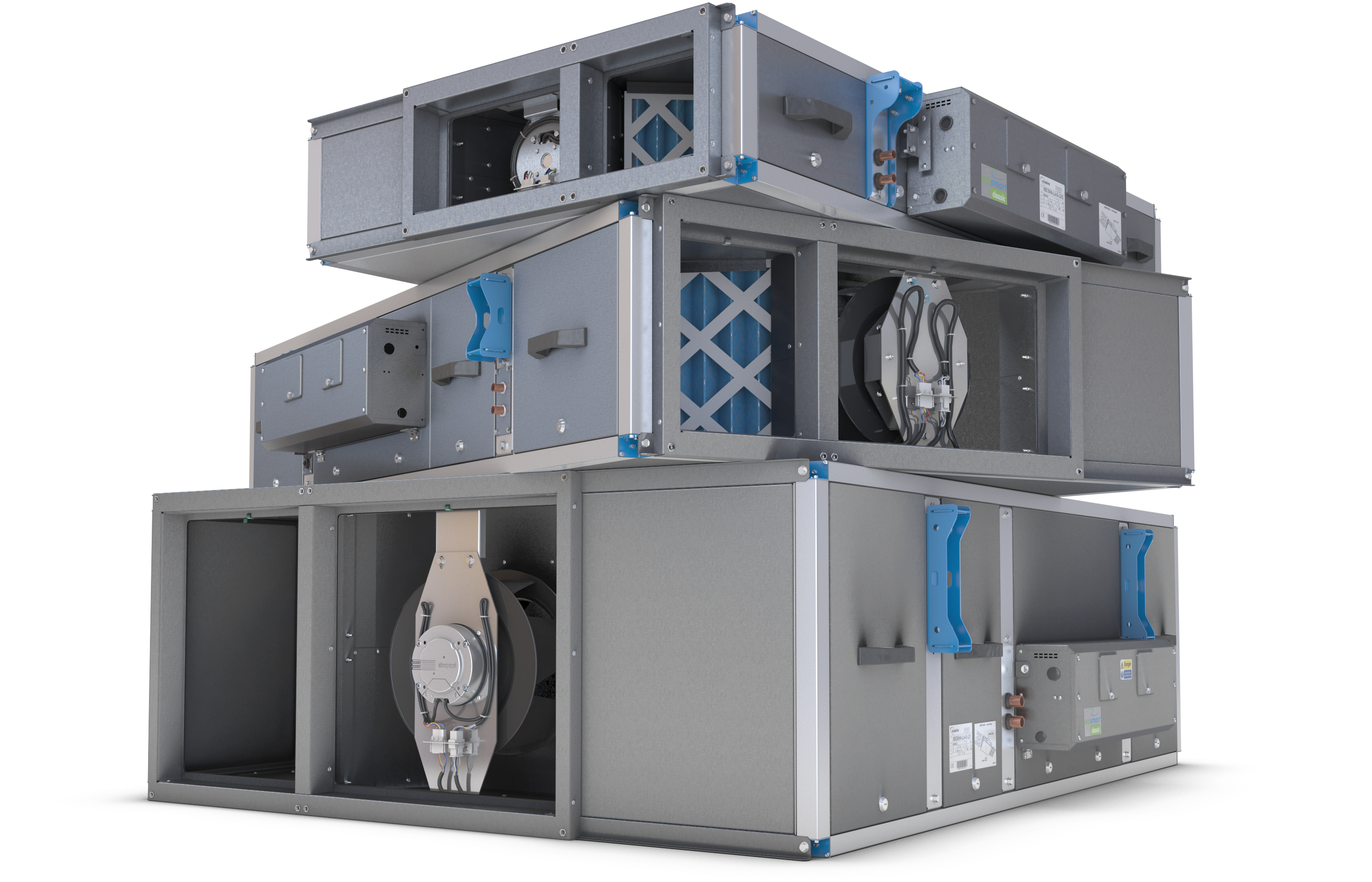
XBOXER XBC+
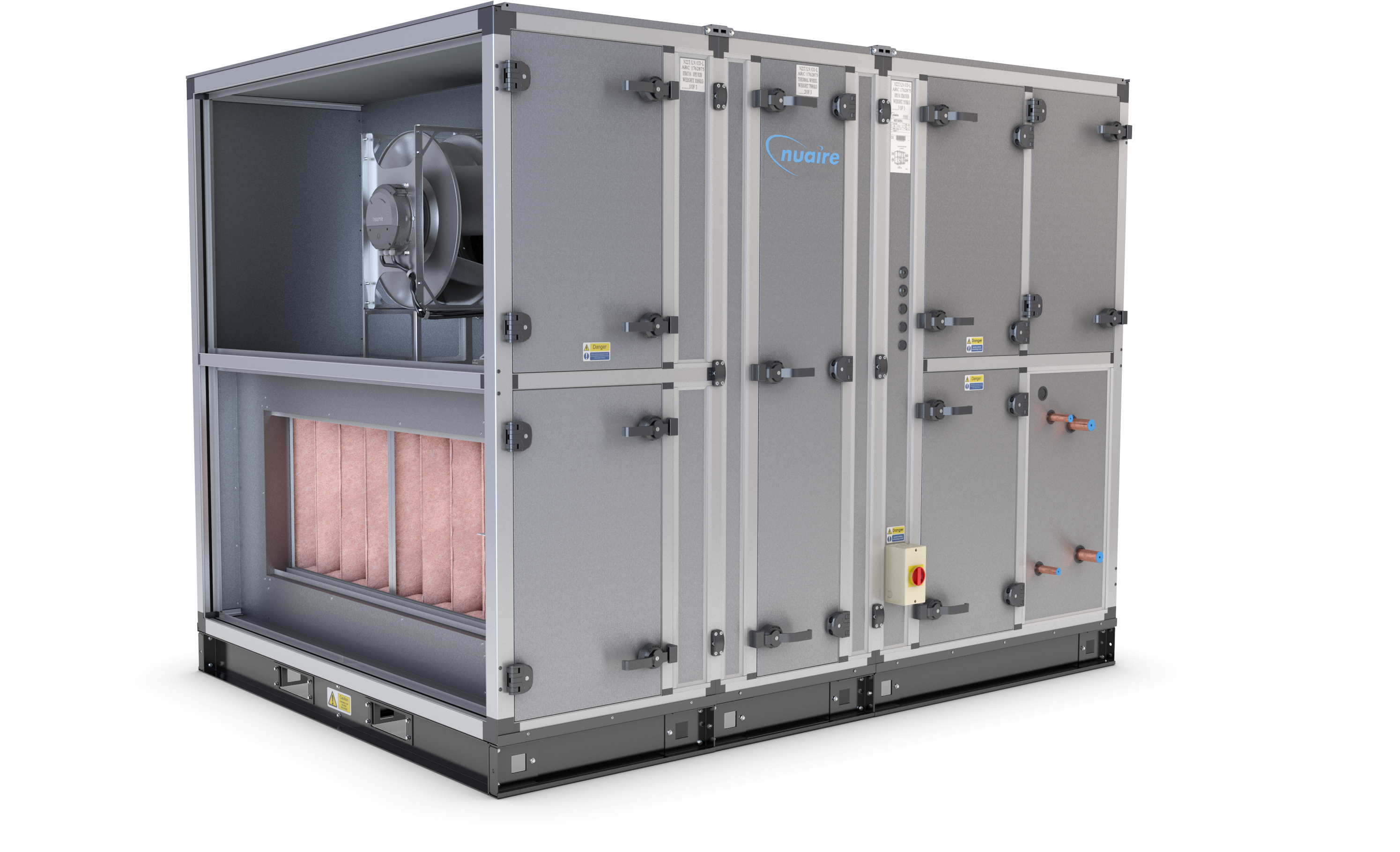
BOXER NEPTUNE
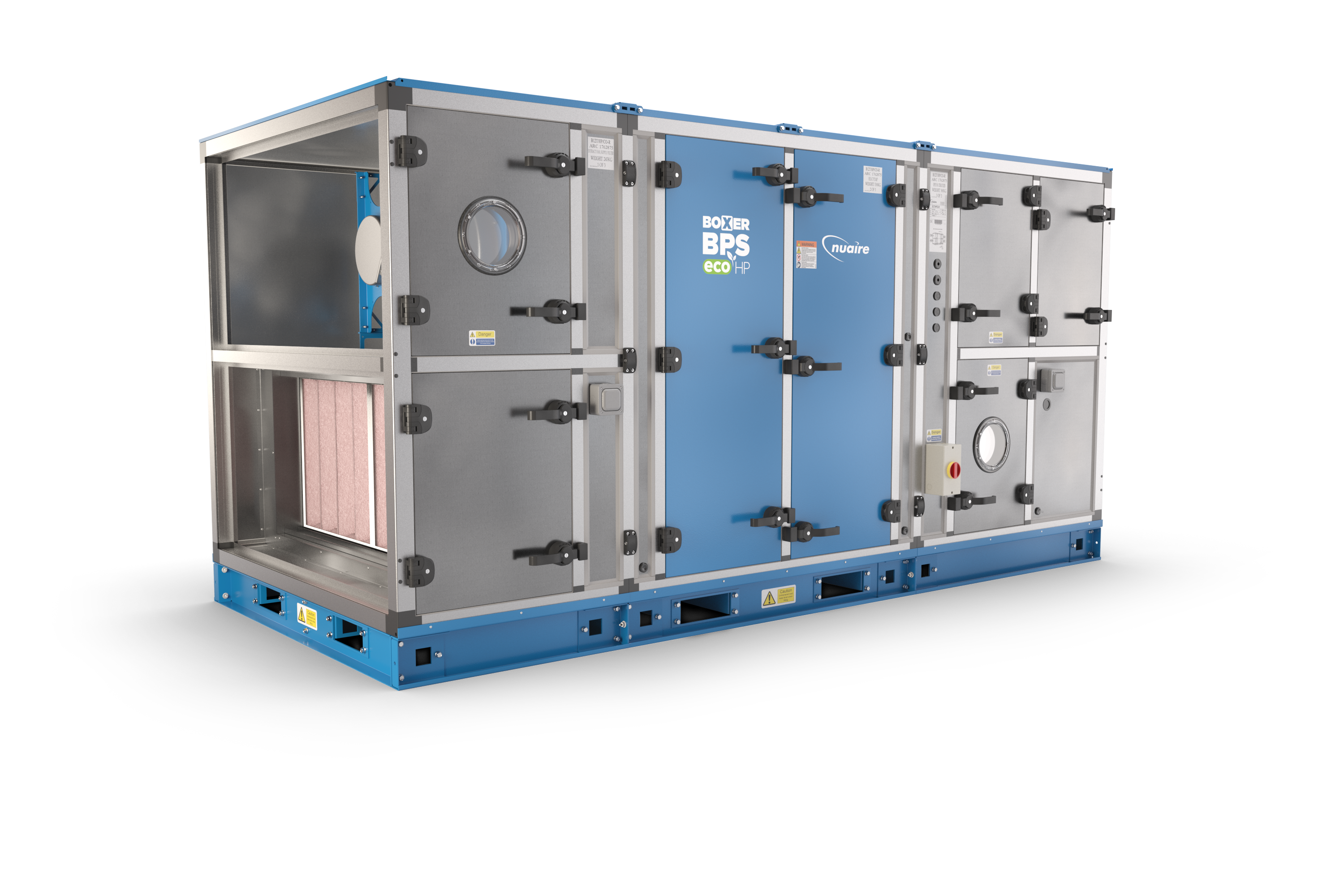
BPS-ECO-HP
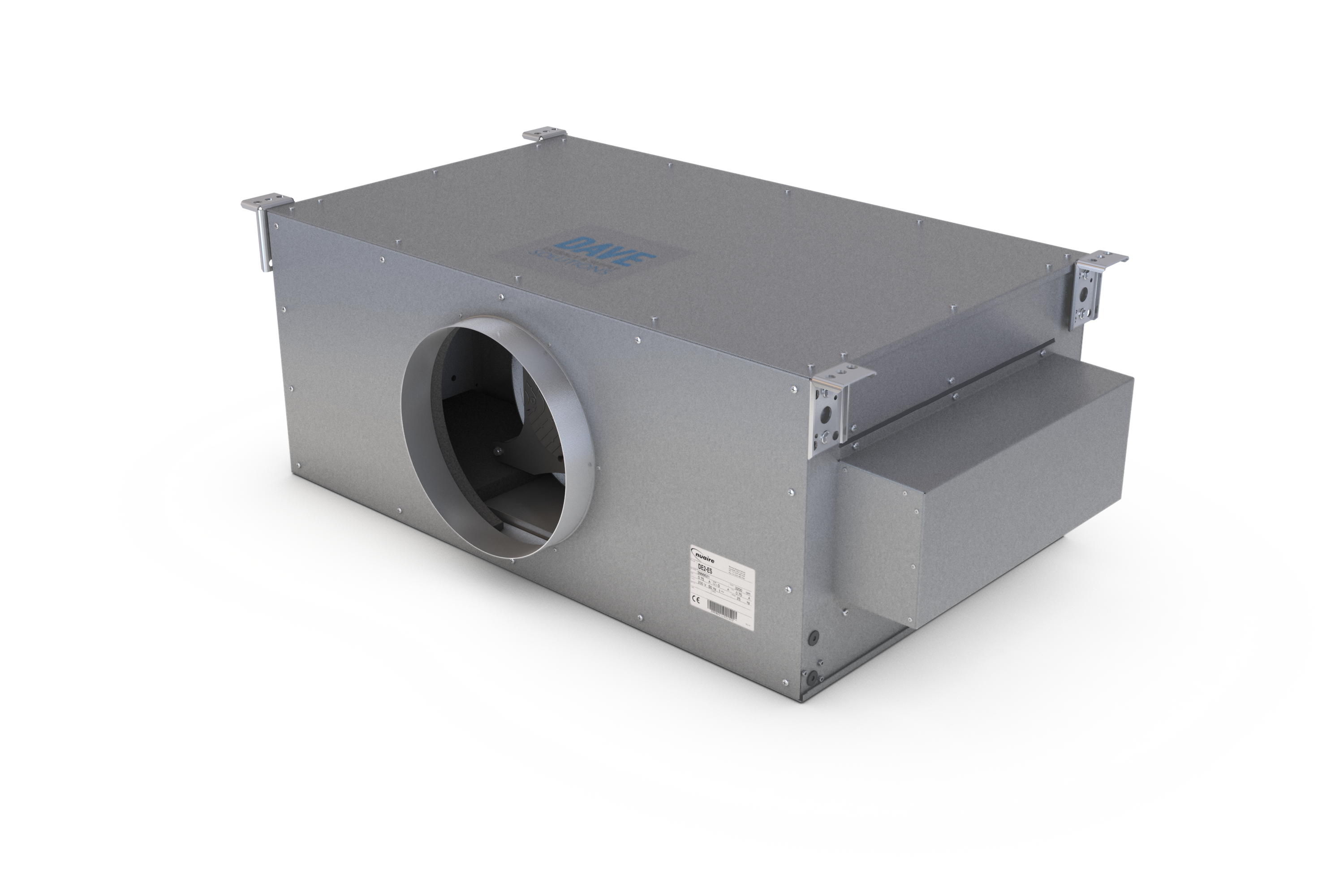
DAVE
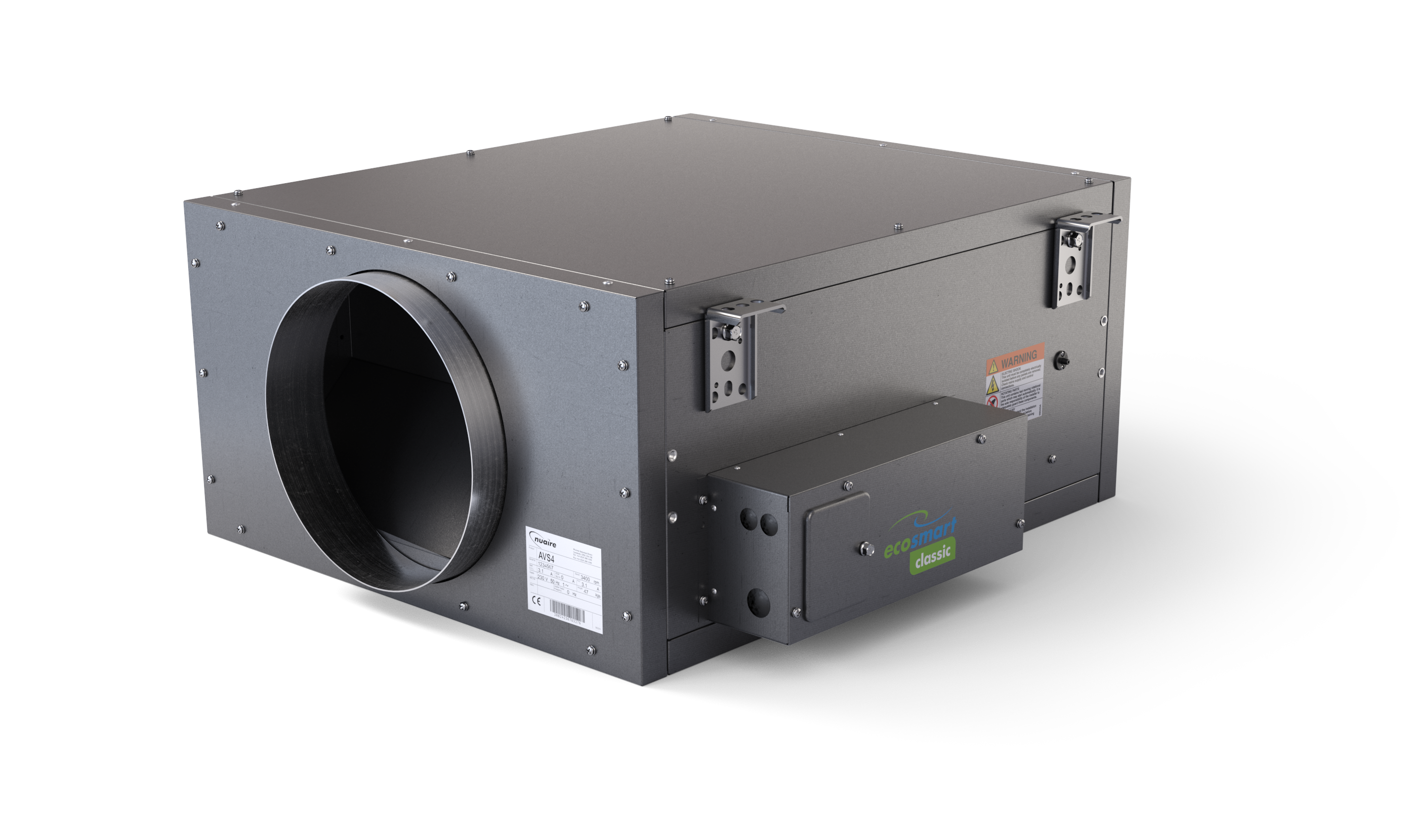
AIRE-VOLVE SINGLE